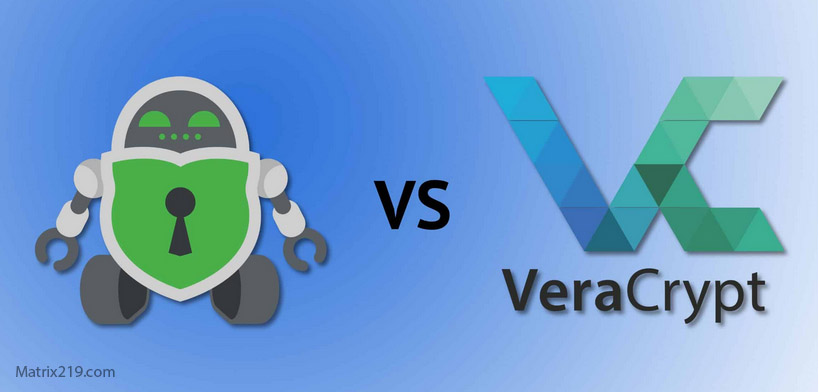
When users search for VeraCrypt vs BitLocker: Which Is Better?, they are usually comparing two very different encryption philosophies—not just two tools. In 2026, this comparison matters more than ever because file encryption decisions are no longer purely technical; they affect privacy, recovery, compliance, and long-term access.
This article provides a practical, security-first comparison between VeraCrypt and BitLocker, focusing on how they behave in real-world scenarios rather than marketing claims. You will learn how each tool handles encryption, key control, recovery, and risk—and which one makes sense depending on whether you are an individual user, a professional, or an organization.
Quick Navigation
Core Difference Between VeraCrypt and BitLocker
Open Control vs System Integration
VeraCrypt is designed for maximum user control and transparency, while BitLocker is deeply integrated into Windows.
File-Level vs Device-Oriented Mindset
VeraCrypt emphasizes portable, user-managed encryption. BitLocker focuses on securing the device itself.
Who Owns the Encryption Keys
This single factor determines most security and recovery outcomes.
This foundational distinction is explained further in File Encryption vs Disk Encryption.
How VeraCrypt Works in Practice
User-Controlled Encryption Containers
VeraCrypt encrypts files inside containers or volumes fully controlled by the user.
Strong, Configurable Cryptography
Users choose algorithms, key sizes, and security parameters.
No Automatic Recovery
If keys or passwords are lost, data is permanently inaccessible.
VeraCrypt fits users who value independence and control.
How BitLocker Works in Practice
System-Level Encryption
BitLocker encrypts entire drives and integrates with Windows security features.
Automatic Key Handling
Keys are often tied to hardware or system accounts.
Recovery Is Possible—Sometimes
Recovery depends on how and where recovery keys are stored.
BitLocker prioritizes usability and low friction.
Security Strength Comparison
Encryption Algorithms
Both use strong, modern encryption when configured correctly.
Attack Surface
VeraCrypt relies on user practices; BitLocker relies on system integrity.
Resistance to User Error
BitLocker reduces mistakes through automation, while VeraCrypt exposes full responsibility.
Algorithm fundamentals are explained in Common File Encryption Algorithms (AES, RSA, ChaCha20)
Key Management and Recovery
VeraCrypt
-
Keys are entirely user-managed
-
No built-in recovery
-
Maximum privacy, maximum risk
BitLocker
-
Keys may be backed up automatically
-
Recovery possible if configured correctly
-
Less privacy, more resilience
Key-loss consequences are detailed in What Happens If You Lose an Encryption Key?
Portability and Cross-Platform Use
VeraCrypt
Encrypted containers can be moved across systems and platforms.
BitLocker
Best suited for Windows-only environments.
This matters when files leave the original device.
Use Case Comparison
Personal Privacy and Sensitive Files
VeraCrypt offers stronger user sovereignty.
Everyday Device Protection
BitLocker is easier and less error-prone.
Business and Managed Environments
BitLocker integrates better with centralized policies.
Professional needs are discussed in File Encryption Software for Business
Performance and Usability
Setup and Daily Use
BitLocker requires minimal user interaction.
Encryption Overhead
Both perform efficiently on modern hardware.
Risk of Misconfiguration
VeraCrypt’s flexibility increases configuration risk.
Performance trade-offs are discussed in Is File Encryption Really Secure?
Compliance and Audit Considerations
VeraCrypt
Limited auditing and centralized control.
BitLocker
Better alignment with organizational compliance needs.
Regulatory context is explained in File Encryption Compliance (GDPR, HIPAA Explained).
Common Misconceptions
“VeraCrypt Is Always More Secure”
Security depends on correct usage and key management.
“BitLocker Means Microsoft Can Read Files”
Encryption strength is solid, but trust assumptions differ.
“One Tool Fits All”
Different threat models require different solutions.
These misconceptions are covered in Common File Encryption Mistakes to Avoid
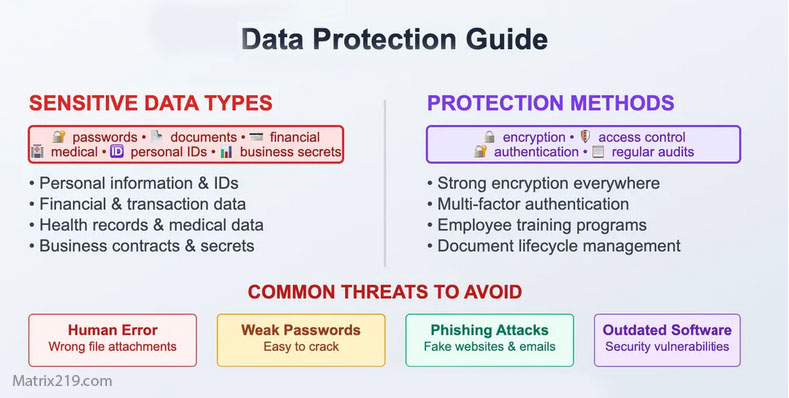
Common File Encryption Mistakes to Avoid
Which One Should You Choose?
Choose VeraCrypt If:
-
You need portable, file-focused encryption
-
You want full control over keys
-
You accept responsibility for recovery
Choose BitLocker If:
-
You want seamless device protection
-
You use Windows exclusively
-
You need easier recovery options
A broader decision framework is available in Best File Encryption and Decryption Software in 2026 (Complete Guide)
Standards and Security Expectations
Both tools rely on cryptographic practices aligned with NIST encryption standards when configured correctly, though their trust and control models differ significantly.
Frequently Asked Questions (FAQ)
Is VeraCrypt more secure than BitLocker?
Not inherently. It offers more control, but also more responsibility.
Can BitLocker protect individual files?
Primarily no. It focuses on full-drive protection.
What happens if I forget my VeraCrypt password?
The encrypted data is permanently lost.
Is BitLocker suitable for business use?
Yes, especially in managed Windows environments.
Can both tools be used together?
Yes, in layered scenarios, though complexity increases.