Clicking a phishing link can happen to anyone—even cautious users. What matters most is what you do next. The minutes and hours after interaction often determine whether the incident becomes a minor scare or a serious breach.
This guide explains the correct steps to take after clicking a phishing link, how to contain potential damage, and when to escalate. Acting calmly and methodically can significantly reduce risk.
Quick Navigation
First Steps to Take Immediately
If you clicked a suspicious link, pause and avoid further interaction.
-
Close the browser tab or app
-
Do not enter any information
-
Do not download files
-
Disconnect from the network if something started installing
Early interruption limits exposure and buys time to respond.
Check Whether Information Was Submitted
Determine what, if anything, was shared.
-
Credentials entered on a fake page
-
One-time codes approved
-
Files downloaded or opened
-
Permissions granted to apps
This assessment helps decide which recovery steps are required.
Secure Your Accounts Right Away
If credentials may have been exposed:
-
Change passwords from a clean device
-
Use unique passwords for affected services
-
Enable or reset multi-factor authentication
-
Sign out of all active sessions
These steps are essential for attacks linked to Credential Harvesting Attacks Explained and reduce the chance of immediate takeover.
Revoke App Access and Sessions
Some phishing links don’t steal passwords—they request access.
-
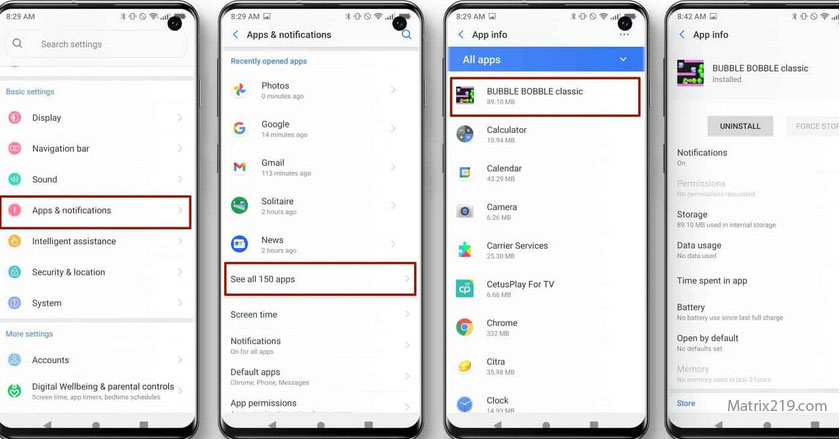
Review connected apps and permissions
-
Revoke anything unfamiliar
-
Check recent sign-in activity
-
Remove unknown devices or sessions
This is especially important for risks associated with OAuth Phishing: The New Silent Account Takeover
Scan Your Device for Malware
If a file was downloaded or opened:
-
Run a full system scan
-
Remove suspicious files
-
Update the operating system and browser
-
Restart the device after cleanup
Attachment-based follow-ups are common in campaigns that start with a link.
Monitor Accounts for Suspicious Activity
Over the next 24–72 hours:
-
Watch for password reset emails
-
Check login alerts and locations
-
Review financial statements
-
Look for unexpected configuration changes
Delayed misuse is common in targeted attacks.
Report the Phishing Incident
Reporting helps stop the campaign and protects others.
-
Use in-app or email client reporting
-
Notify your organization’s security team
-
Inform the impersonated service
-
Share details internally if at work
Follow structured guidance outlined in How to Report a Phishing Attack Properly
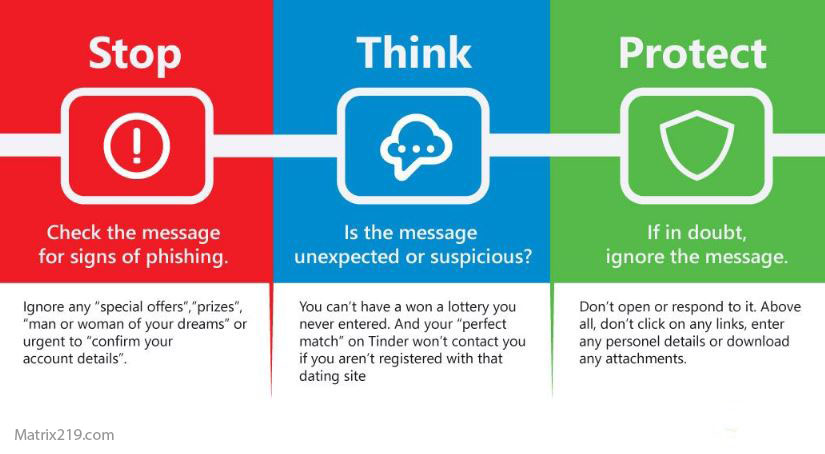
Learn Why the Click Happened
Understanding the trigger prevents repetition.
Common reasons include:
-
Urgency or fear
-
Familiar branding
-
Routine tasks
-
Distraction or fatigue
These patterns match those discussed in Common Phishing Email Templates Used by Attackers and help refine future awareness.
External Guidance on Post-Click Response
Security authorities emphasize fast containment and reporting after interaction to reduce impact, as reflected in CISA Incident Response Basics
❓ Frequently Asked Questions (FAQ)
Is clicking a phishing link always dangerous?
Not always, but risk increases if information is entered or files are opened.
Should I change all my passwords?
Change passwords for any accounts potentially affected or reused elsewhere.
Can antivirus alone fix the issue?
Antivirus helps, but account security actions are often more important.
What if I approved an MFA request?
Immediately reset credentials, revoke sessions, and notify security teams.
How long should I monitor for issues?
At least several days, longer for financial or work accounts.
Conclusion
Knowing what to do after clicking a phishing link turns panic into control. Quick containment, account security, and reporting can stop a single mistake from becoming a full compromise.
Phishing defense doesn’t end at avoidance—it includes smart recovery. Responding correctly after a click protects both you and others from ongoing attacks.