Knowing where NOT to download free antivirus in 2026 is just as important as knowing where it’s safe. Many infections today don’t come from reckless behavior—they come from users genuinely trying to protect their devices and landing on the wrong page. Scammers understand this intent perfectly and build entire ecosystems around fake downloads, cloned websites, and misleading ads.
The danger isn’t always obvious. Some scam pages look professional, rank well in search results, and even mimic legitimate antivirus brands. Others hide behind “review” sites or download buttons that install more than you bargained for. This article maps out the most common scam sources and patterns so you can avoid them entirely.
For the full, safe-selection framework, start with: best free antivirus in 2026
Quick Navigation
Sponsored ads pretending to be official sites
One of the most common traps:
-
Search ads that look like official antivirus vendors
-
URLs that closely resemble real domains
-
Landing pages with urgent warnings
These ads often redirect to fake installers or repackaged downloads. Scammers pay for ads because frightened users convert quickly.
Rule: never trust an antivirus download that starts with panic messaging.
Third-party download portals with bundled installers
Many “download” websites are designed to:
-
Repackage antivirus installers
-
Add toolbars, cleaners, or trackers
-
Hide optional offers behind fast “Next” clicks
Even when the antivirus itself is legitimate, the delivery method introduces risk.
If a site requires a “download manager,” leave immediately.
Fake antivirus alert pages
These pages usually:
-
Claim your device is already infected
-
Show fake scan animations
-
Demand immediate download or payment
They are designed to rush users into installing malicious software that often has full system permissions.
Legitimate antivirus vendors never scan your device from a web page.
“Cracked” or “full version free” sites
Avoid any site offering:
-
Premium antivirus unlocked for free
-
Modified or “activated” installers
-
License keys shared publicly
This is one of the most dangerous sources because antivirus software runs at deep system levels. A cracked version can spy, disable protection, or install backdoors silently.
There is no safe cracked antivirus—ever.
Torrent sites and file-sharing networks
Antivirus files shared via:
-
Torrents
-
Warez forums
-
File-hosting mirrors
are almost always modified. Even if comments claim “working,” you’re trusting anonymous uploaders with system-level access.
This is a high-risk choice with no real upside.
Fake review and comparison websites
Some scam networks create:
-
“Top 10 antivirus” lists
-
Fake reviews with download buttons
-
Copy-pasted content ranking for SEO
Their goal isn’t to inform—it’s to redirect users to affiliate scams or fake installers.
Real reviews explain limitations, not just praise.
Social media and messaging links
Links shared via:
-
Random emails
-
Messaging apps
-
Social media comments
are increasingly used to distribute fake antivirus downloads. Attackers exploit trust and curiosity rather than technical flaws.
Never download security software from unsolicited links.
Mobile-specific scam sources
On mobile platforms:
-
Fake Android APK sites distribute spyware
-
iOS “antivirus” profiles request risky permissions
Android users should avoid APKs outside trusted sources. iPhone users should be suspicious of apps claiming “full virus scanning.”
For platform context:
Best Free Antivirus for Android Phones
Free Antivirus for iPhone – Myth or Reality?
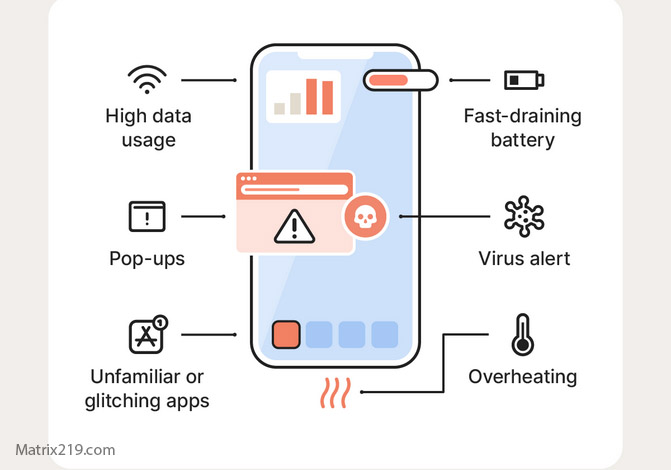
Why these sources are still dangerous in 2026
Scam distribution works because:
-
Antivirus requires high permissions
-
Users are emotionally vulnerable during security scares
-
Many don’t know official vendor names
Once installed, fake antivirus can be harder to remove than normal malware.
How to verify a safe download source
Before downloading:
-
Check the exact domain spelling
-
Look for transparent product pages
-
Avoid urgency or scare language
-
Cross-check vendor reputation
If the page pressures you, leave.
For safe download fundamentals: Antivirus Free Download: What’s Safe in 2026?
Final warning
Most dangerous antivirus downloads don’t look dangerous at first glance. They look helpful, urgent, and familiar. The safest approach in 2026 is simple: avoid unknown sources entirely. If you don’t recognize the vendor or the page tries to rush you, don’t download anything.
For a complete, safe roadmap to choosing real free protection, return to: best free antivirus in 2026
FAQ
Are all third-party download sites unsafe?
Not all, but they carry much higher risk due to bundled installers and ads.
Can antivirus ads in search results be fake?
Yes. Sponsored results are frequently abused by scammers.
Is it safe to download antivirus from forums?
No. Files shared on forums are often modified or outdated.
Why do fake antivirus sites rank well?
SEO manipulation and paid ads help them reach worried users quickly.
What’s the safest source for antivirus downloads?
Official vendor websites only—no mirrors, no portals, no shortcuts.