Phishing is one of the oldest cybercrime techniques, yet it remains one of the most effective—even in 2026. Despite widespread awareness campaigns, advanced security tools, and multi-factor authentication, phishing attacks continue to succeed at scale.
Understanding why phishing still works in 2026 requires looking beyond technology. Modern phishing adapts to human behavior, organizational processes, and trusted digital ecosystems. This article explains the core reasons phishing remains effective, how attackers evolved their tactics, and why technical defenses alone are not enough.
Quick Navigation
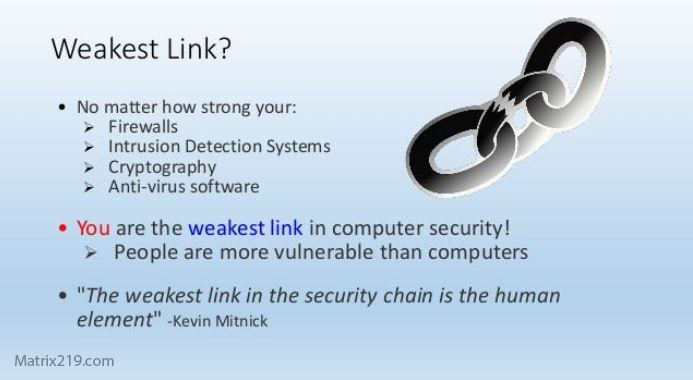
Human Behavior Remains the Primary Attack Surface
Technology changes faster than human behavior.
People still:
-
Trust familiar brands and colleagues
-
React emotionally to urgency and fear
-
Rely on routine actions
-
Make decisions under pressure
These predictable behaviors are the foundation of social engineering, as explained in Why Humans Are the Weakest Link in Cybersecurity
Phishing Attacks Adapt Faster Than Security Controls
Security tools improve incrementally, while phishing tactics change rapidly.
Attackers quickly adjust:
-
Message tone and timing
-
Delivery channels
-
Target selection
-
Use of legitimate services
This adaptability explains why phishing continues to outperform purely technical attack methods, as discussed in Why Social Engineering Attacks Are More Effective Than Malware
Legitimate Platforms Are Abused for Phishing
In 2026, phishing rarely relies on obviously malicious infrastructure.
Attackers abuse:
-
Cloud collaboration tools
-
Trusted email services
-
File-sharing platforms
-
OAuth authorization systems
Because these platforms are legitimate, attacks blend into normal activity—especially those linked to OAuth Phishing: The New Silent Account Takeover
Authentication Improvements Do Not Eliminate Phishing
Multi-factor authentication reduces risk but does not stop manipulation.
Phishing succeeds when:
-
Users approve login requests
-
MFA fatigue is exploited
-
Sessions are hijacked after login
These techniques show why phishing can bypass modern authentication, as explained in How Phishing Bypasses Multi-Factor Authentication
Phishing Relies on Context, Not Just Deception
Modern phishing messages are contextual.
Attackers reference:
-
Current events
-
Workplace tools
-
Real conversations
-
Recent actions
This context makes phishing feel relevant rather than random, increasing trust and response rates.
Detection Tools Cannot Fully Interpret Intent
Even advanced detection systems struggle with intent.
Tools can detect:
-
Known malicious links
-
Suspicious attachments
-
Anomalous behavior
But they cannot reliably determine whether a message is deceptive when it uses legitimate language and workflows. This limitation is discussed in Phishing Detection Tools Compared
Organizational Processes Enable Phishing Success
Phishing often exploits process weaknesses rather than individuals.
Common issues include:
-
Overloaded approval workflows
-
Informal communication channels
-
Lack of verification steps
-
Pressure to move quickly
Attackers design phishing to fit seamlessly into these gaps.
Awareness Alone Does Not Stop Phishing
Training helps, but it fades over time.
Users may:
-
Recognize phishing in theory
-
Miss subtle real-world cues
-
Act differently under stress
This is why phishing remains effective even in trained environments.
Why Phishing Works Better Than Ever in Hybrid Work
Remote and hybrid work environments amplify risk by:
-
Reducing in-person verification
-
Increasing digital communication
-
Normalizing urgent remote requests
These conditions strengthen phishing effectiveness across industries.
Why Phishing Works Better Than Ever in Hybrid Work
External Perspective on Phishing Persistence
Cybersecurity frameworks consistently acknowledge that phishing remains a dominant threat because it exploits human trust rather than software flaws, as reflected in Verizon Data Breach Investigations Report
Frequently Asked Questions (FAQ)
Why hasn’t phishing been solved yet?
Because phishing targets human behavior, not just technical weaknesses.
Is phishing getting worse or just more visible?
Both. Phishing volume and sophistication continue to increase.
Will AI stop phishing in the future?
AI helps detection, but attackers also use AI to improve phishing realism.
Does strong security eliminate phishing risk?
No. It reduces impact but cannot remove manipulation entirely.
What is the most effective defense against phishing?
Layered security combined with verification-focused processes and awareness.
Conclusion
Why phishing still works in 2026 becomes clear when viewed through a human lens. Phishing succeeds not because defenses fail, but because trust, urgency, and routine remain part of everyday digital life.
As long as people must make decisions, phishing will remain a threat. The goal is not perfect prevention, but rapid detection, reduced impact, and resilient processes that limit how far a single mistake can go.