Cyber blackouts and international law intersect in an area filled with uncertainty, interpretation, and political caution. When cyber incidents are suspected of causing power outages or disrupting essential services, questions immediately arise about legality, responsibility, and response under international frameworks.
Unlike conventional attacks, cyber operations rarely fit neatly into existing legal categories. The absence of physical damage, unclear attribution, and covert methods place cyber blackouts in legal gray zones that international law struggles to address. This article explains how international law approaches cyber blackouts, where the gaps exist, and why consensus remains elusive.
Quick Navigation
How International Law Traditionally Addresses Attacks
International law was built around physical conflict.
Key principles include:
-
State sovereignty
-
Prohibition of the use of force
-
Right to self-defense
These concepts work well for kinetic attacks but are harder to apply to incidents involving critical infrastructure cybersecurity risks where damage may be indirect or delayed.
Are Cyber Blackouts Considered “Use of Force”?
A central legal question is whether a cyber blackout qualifies as a use of force.
Legal assessments often examine:
-
Scale and duration of the outage
-
Impact on civilian life
-
Physical damage caused
-
Intent behind the operation
Most cyber incidents fall below the threshold traditionally associated with armed attacks.
The Attribution Problem in International Law
International law relies heavily on attribution.
Before legal responsibility can be assigned, investigators must determine:
-
Whether a cyberattack occurred
-
Which actor was responsible
-
Whether the actor represents a state
These challenges mirror the technical difficulties outlined in cyberattack attribution challenges and often delay or prevent legal action.
State Responsibility and Plausible Deniability
States accused of cyber operations frequently deny involvement.
This plausible deniability:
-
Limits diplomatic escalation
-
Complicates legal remedies
-
Encourages covert activity
Such dynamics are common in incidents associated with state-sponsored cyber operations explained and weaken enforcement mechanisms.
International Norms and Non-Binding Agreements
In response to legal gaps, states have pursued norms rather than binding law.
Examples include:
-
Agreements to protect civilian infrastructure
-
Voluntary commitments to restraint
-
Confidence-building measures
While helpful, these norms lack enforcement power.
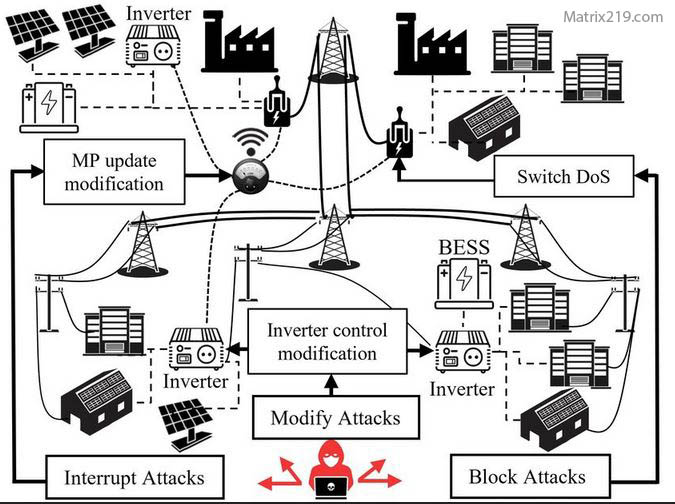
critical infrastructure cybersecurity risks
Cyber Blackouts and Civilian Protection
International humanitarian law emphasizes protecting civilians.
Cyber blackouts challenge this principle because:
-
Effects may be indirect
-
Harm can emerge over time
-
Intent may be ambiguous
Determining whether an outage violates civilian protection standards requires careful analysis.
When Cyber Incidents Trigger Diplomatic Responses
Instead of legal action, states often respond through:
-
Diplomatic protests
-
Sanctions
-
Public attribution statements
These responses reflect political judgment more than legal certainty and often follow investigations into power grid failure vs cyberattack distinctions.
Why Legal Clarity Remains Elusive
Several factors prevent clear legal classification:
-
Rapid technological change
-
Lack of global consensus
-
Strategic advantages of ambiguity
As long as cyber operations remain difficult to attribute and quantify, legal frameworks will lag behind reality.
Implications for Infrastructure Operators
For operators, international law offers limited immediate protection.
Practical defense depends more on:
-
Resilience planning
-
Risk reduction
-
Incident preparedness
These priorities align closely with critical infrastructure cyber defense strategies rather than reliance on international enforcement.
Conclusion
Cyber blackouts sit at the intersection of technology, geopolitics, and law—an area where clear rules are still forming. International law provides guiding principles but struggles to address the realities of cyber-induced infrastructure disruption.
Until stronger consensus and enforcement mechanisms emerge, cyber blackouts will remain legally ambiguous events managed through diplomacy, norms, and resilience rather than courts or treaties.