Data Brokers Explained is critical for understanding why personal data continues to circulate even after accounts are deleted or privacy settings are adjusted. Many users focus on websites and apps, but overlook the companies whose business model is built entirely around collecting, aggregating, and selling data.
Data brokers operate largely behind the scenes. They gather information from multiple sources, combine it into detailed profiles, and sell access to these profiles across industries. This makes them one of the least visible yet most influential actors in the online tracking ecosystem.
This article explains who data brokers are, how they obtain data, and why they pose unique privacy challenges.
Quick Navigation
What Data Brokers Do
Data brokers collect, analyze, and sell personal data. Their products are not services for users, but datasets for businesses.
Clients may include advertisers, insurers, employers, and analytics firms. The data is often used to predict behavior, assess risk, or target audiences.
To understand how data brokers fit into broader tracking systems, see: Digital Privacy and Online Tracking: How You’re Tracked Online and How to Protect Yourself
Where Data Brokers Get Their Data
Data brokers collect data from many sources. These include websites, mobile apps, public records, surveys, and commercial partnerships.
Some data is collected directly, while other information is purchased or exchanged. Over time, these sources are merged to form detailed profiles.
What Kind of Data Is Collected
Collected data may include contact information, location history, purchase behavior, interests, and demographic indicators. Some profiles include inferred attributes such as income range or lifestyle preferences.
Even when individual data points seem harmless, their combination can reveal sensitive patterns.
Why Data Brokers Are Hard to Avoid
Most users never interact directly with data brokers. There is no account to delete or app to uninstall.
Because brokers operate in the background, users often remain unaware that their data is being collected and shared long-term.
Understanding who collects data helps clarify this invisibility, as explained in: Who Collects Your Data Online
How Data Brokers Affect Privacy
Data brokers reduce user control over personal information. Once data enters broker ecosystems, it may be reused, resold, or retained indefinitely.
This persistence increases exposure during breaches and makes privacy management more complex.
Can Users Opt Out of Data Brokers
Some data brokers offer opt-out mechanisms, but these are often manual and time-consuming. Opt-outs may need to be repeated periodically.
Regulations in some regions require limited transparency, but enforcement varies widely.
To understand legal protections related to data brokers, review: Privacy Laws Explained
How to Reduce Data Broker Exposure
Reducing exposure requires limiting upstream data collection. This includes reducing tracking at websites, apps, and devices.
While users cannot fully prevent data broker activity, reducing available data limits what brokers can aggregate.
Practical steps to reduce exposure are covered here: How to Stop Online Tracking
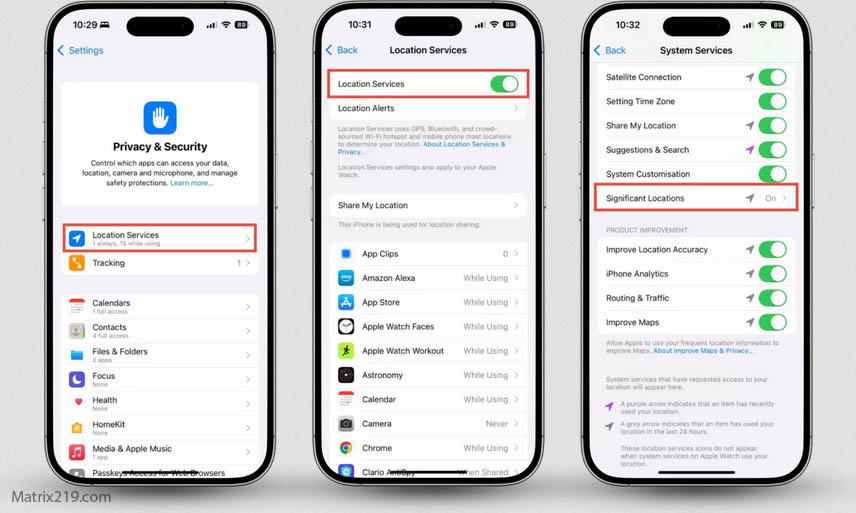
How to Stop Online Tracking
FAQ
What is a data broker?
A data broker is a company that collects and sells personal data rather than providing services directly to users.
Do data brokers need user consent?
Requirements vary by region. Many operate under disclosure rules rather than explicit consent.
Can users remove their data from data brokers?
Sometimes, but it often requires manual opt-out requests.
Are data brokers legal?
In many regions, yes, though regulations are evolving.
Why don’t users hear about data brokers often?
Because brokers operate behind the scenes and do not interact directly with users.