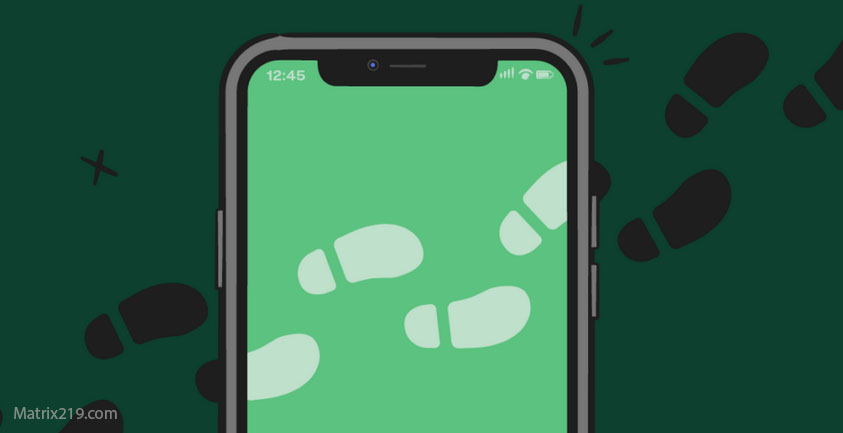
How Apps Track You is a concern for many users who assume that uninstalling an app or denying one permission is enough to protect privacy. In reality, mobile applications rely on multiple tracking layers that extend beyond obvious settings and continue operating in the background.
Apps are deeply integrated into device operating systems. This allows them to collect behavioral data, device signals, and usage patterns that can be shared across networks. Understanding these mechanisms is critical for reducing unnecessary data exposure.
This article explains how apps track users, which signals they rely on, and why app-level tracking plays a major role in modern digital privacy risks.
Quick Navigation
App Permissions and Data Access
Permissions are the most visible tracking layer. When users grant access to location, contacts, camera, or storage, apps can collect sensitive data tied directly to identity.
Many permissions are broader than necessary. Apps may request access for convenience while collecting data for analytics or monetization purposes.
To see how this fits into the broader privacy picture, review: Digital Privacy and Online Tracking: How You’re Tracked Online and How to Protect Yourself
Background Data Collection
Apps do not stop operating when closed. Background processes allow them to collect usage statistics, sync data, and transmit signals to servers.
This can include timestamps, interaction frequency, and network behavior. Over time, background data contributes to detailed behavioral profiles.
Device Identifiers Used by Apps
Mobile operating systems provide advertising identifiers and system-level IDs. Apps use these identifiers to recognize devices across sessions and reinstallations.
Even when users reset identifiers, apps may combine multiple signals to re-establish recognition, making tracking more persistent than expected.
Hidden Signals and Behavioral Patterns
Apps collect subtle signals beyond explicit data. These include interaction speed, scrolling behavior, sensor data, and network conditions.
When combined, these signals help identify users and predict behavior without requiring direct personal information.
Third-Party SDKs Inside Apps
Many apps embed third-party software development kits (SDKs) for analytics, advertising, or crash reporting. These SDKs collect data independently from the app itself.
As a result, uninstalling one app may not fully remove tracking if the same SDK exists in multiple applications.
For an overview of how third parties track users, see: Who Collects Your Data Online
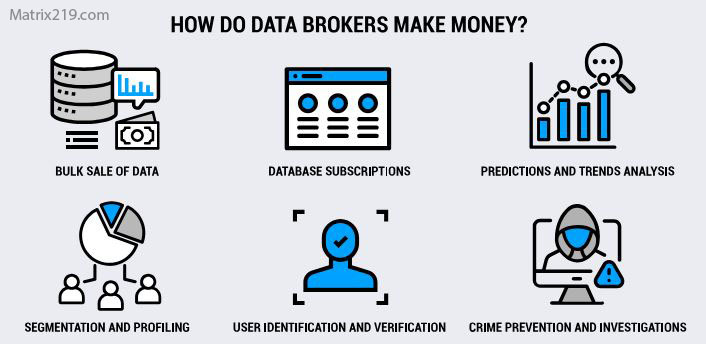
Who Collects Your Data Online
Why App Tracking Is Hard to Control
Unlike browsers, apps often offer limited transparency. Privacy settings may be buried, vague, or unavailable.
Effective control requires regularly reviewing permissions, limiting unnecessary apps, and understanding how data flows between services.
Practical steps to reduce app tracking are covered here: How to Stop Online Tracking
FAQ
Do apps track users without permission?
Some data collection occurs through system-level signals that do not require explicit permission.
Does uninstalling an app stop tracking?
It stops direct collection, but data already shared may persist, and identifiers may link future activity.
Are free apps more aggressive in tracking?
Many free apps rely on data collection for revenue, leading to broader tracking practices.
Can app tracking affect privacy across devices?
Yes. App data can be linked across devices through accounts, identifiers, or shared networks.
Is app tracking legal?
Legality depends on region and disclosure. Many laws require transparency but allow tracking.