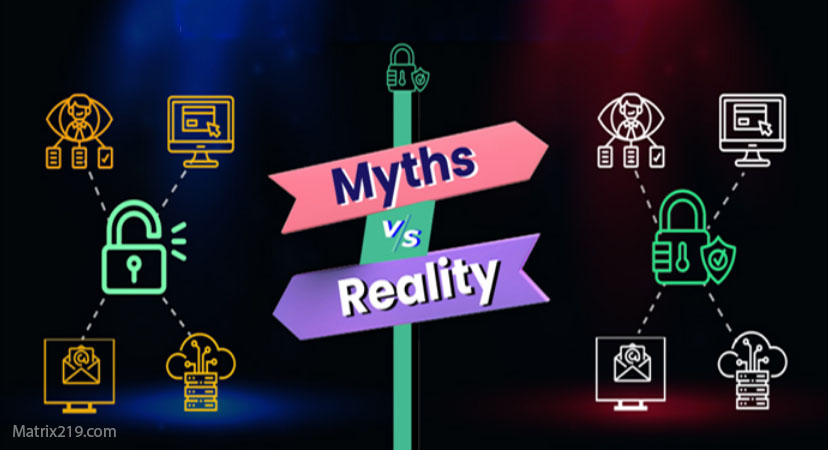
Mobile spyware myths create two dangerous extremes: unnecessary panic and false confidence. Some users believe mobile surveillance is everywhere and unavoidable, while others assume it only targets high-profile individuals or requires advanced hacking skills.
Both assumptions are misleading. In real-world cases, mobile spyware is usually far more ordinary—and far more preventable—than popular narratives suggest. Understanding the difference between myth and reality helps users focus on the risks that actually matter and ignore distractions.
This guide breaks down the most common mobile spyware myths and replaces them with practical, evidence-based realities drawn from real incidents and everyday device misuse.
Quick Navigation
Myth: Spyware Requires Advanced Hacking
Many users believe mobile spyware only appears through zero-day exploits, nation-state attacks, or elite hacking techniques.
Reality:
Most spyware installations rely on simple methods such as physical access to unlocked devices, deceptive app installations, phishing links, or permission abuse. Advanced exploits are rare outside of high-value targets.
In practice, behavior and access matter far more than technical hacking skill. This pattern appears repeatedly in real phone compromise cases.
Myth: Antivirus Apps Guarantee Protection
Security apps are often marketed as complete protection against mobile spyware.
Reality:
Antivirus tools can detect known threats, but they cannot reliably detect account compromise, cloud surveillance, permission abuse, or configuration profiles. Many real spyware cases bypass scans entirely.
Antivirus software should be treated as a supporting layer, not a primary defense. Overreliance is a common mistake discussed in mobile security failures.
Myth: iPhones Can’t Be Spied On
Apple’s security reputation leads many users to assume iPhones are immune to spying.
Reality:
iPhones can still be monitored through cloud account access, shared credentials, configuration profiles, backups, or advanced exploits. While casual stalkerware is less common, surveillance remains possible.
Platform choice influences how spying happens—not whether it happens. Similar misconceptions appear in iPhone spyware discussions.
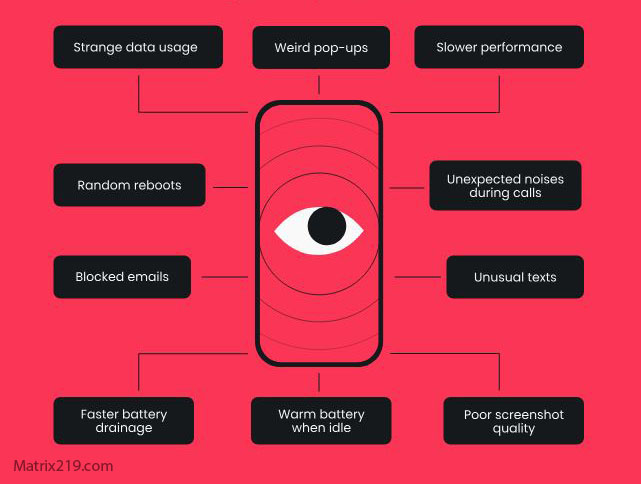
Myth: Battery Drain Always Means Spyware
Unusual battery drain is often blamed on spying.
Reality:
Battery issues are usually caused by aging batteries, background apps, signal instability, updates, or misconfigured settings. Spyware is only one possible cause—and not the most common one.
Reliable detection depends on patterns and multiple indicators, not a single symptom.
Myth: Factory Reset Solves Everything
Factory resets are often viewed as a universal fix.
Reality:
Resets remove many app-based threats but do not stop cloud surveillance, restored backups, shared accounts, or persistent configuration profiles.
A reset only works when performed correctly and combined with account security steps, as explained in reset recovery limitations.
Myth: Only Strangers Spy on Phones
People often imagine anonymous hackers as the main threat.
Reality:
Many spyware cases involve someone the user knows—partners, ex-partners, family members, coworkers, or anyone with prior access to the device or accounts. In practice, broken trust boundaries matter far more than anonymous attackers.
Only Strangers Spy on Phones
Myth: Spyware Is Always Illegal
Many users assume all monitoring is illegal by default.
Reality:
Legality depends on consent, jurisdiction, and purpose. Some monitoring tools are legal but still invasive, unethical, or abusive.
Legal does not mean safe—and legal tools are often misused.
Myth: More Tools Mean More Protection
Installing many security apps feels proactive.
Reality:
Too many tools create noise, conflicts, false alerts, and decision fatigue. Spyware detection improves through clarity, not overload.
Simple, focused security habits outperform complex setups—a theme explored in mobile security fundamentals.
What Actually Increases Spyware Risk
- Physical access to unlocked devices
- Sideloaded or cracked apps
- Weak, reused, or shared passwords
- Over-granted permissions
- Poor awareness of cloud syncing
These factors appear consistently in real spyware cases.
What Actually Reduces Spyware Risk
- Securing devices and accounts
- Limiting app sources
- Auditing permissions regularly
- Separating accounts and devices when necessary
- Understanding realistic threat models
Awareness and habits reduce risk far more effectively than fear.
Why Myths Are Dangerous
Myths distract users from meaningful action. Fear-based myths create panic and impulsive decisions, while comfort myths generate false confidence and ignored risks. Replacing myths with realistic understanding allows users to respond calmly, prioritize real threats, and protect their privacy through informed decisions rather than emotional reactions.
Frequently Asked Questions (FAQ)
Is spyware really common?
Yes, but most cases involve basic and preventable forms of surveillance. Poor security habits and unsafe app behavior are far more common causes than advanced hacking.
Should I be constantly worried about spyware?
No. Constant worry leads to bad decisions. Awareness and realistic security habits are far more effective than anxiety.
Are all monitoring apps spyware?
No. Some tools are designed for parental control or enterprise management. However, misuse without consent effectively turns many into spyware.
Do myths benefit attackers?
Yes. Confusion lowers defenses. When users misunderstand how surveillance works, they often miss real risks while chasing imaginary ones.
What is the best mindset for mobile privacy?
An informed, calm, and realistic mindset. Good habits, clear understanding, and proportional responses provide better protection than fear or denial.