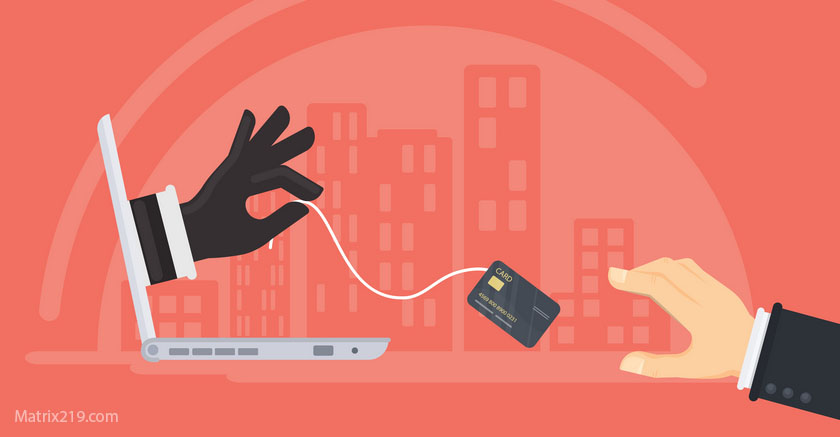
Online Scams & Digital Fraud have evolved into one of the fastest-growing digital threats in 2026. Fraud is no longer limited to poorly written emails or obvious fake websites. Modern scams are polished, psychologically precise, and often indistinguishable from legitimate communication.
What makes digital fraud especially dangerous is not technology alone, but manipulation. Scammers exploit urgency, trust, authority, fear, and opportunity to push victims into mistakes they would never make under calm conditions. This is why even experienced users, professionals, and businesses continue to fall victim.
This guide provides a complete, realistic framework to understand how online scams work, how to spot them early, how to avoid them without paranoia, and what to do if fraud has already happened.
Quick Navigation
Why Online Scams Are More Effective Than Ever
Digital fraud has become scalable, automated, and data-driven. Scammers no longer guess. They profile.
Data breaches, social media activity, leaked databases, and behavioral tracking allow fraudsters to craft messages that feel personal and timely. A scam email today often knows your name, your service provider, your recent activity, or your location. At the same time, platforms prioritize speed and convenience. This creates perfect conditions for fraud to thrive.
The Psychology Behind Digital Fraud
Most scams succeed because of human psychology, not technical weakness.
Fraud relies on:
-
Urgency that disables rational thinking
-
Authority that discourages questioning
-
Familiarity that lowers suspicion
-
Fear of loss or promise of gain
Understanding these triggers is more important than memorizing scam formats. When emotions rise, critical thinking drops. Digital fraud is engineered decision-making under pressure.
Common Categories of Online Scams
While tactics change, most scams fall into recognizable categories. These include phishing and impersonation scams, financial fraud, account takeover attempts, fake investment opportunities, marketplace scams, identity theft, and support scams pretending to fix nonexistent problems.
Each category uses different hooks but follows the same psychological blueprint: gain trust, create pressure, extract value. Detailed breakdowns of each category will be covered in dedicated supporting articles within this pillar.
How Modern Scams Bypass Traditional Awareness
Traditional advice like “don’t click suspicious links” is no longer enough. Scams now arrive through legitimate platforms, verified-looking domains, compromised accounts, and real conversation threads. Some scams unfold over days or weeks to build credibility before asking for action.
The absence of obvious red flags does not mean safety. Context and intent matter more than appearance.
Early Warning Signs Most People Miss
Scams rarely start with requests for money. They start with conversation. Early indicators include unusual urgency, requests to bypass normal procedures, pressure to keep communication private, or subtle changes in tone that don’t match the supposed sender.
Another major red flag is being pushed to act outside the platform where the interaction began. Fraud hides in transitions.
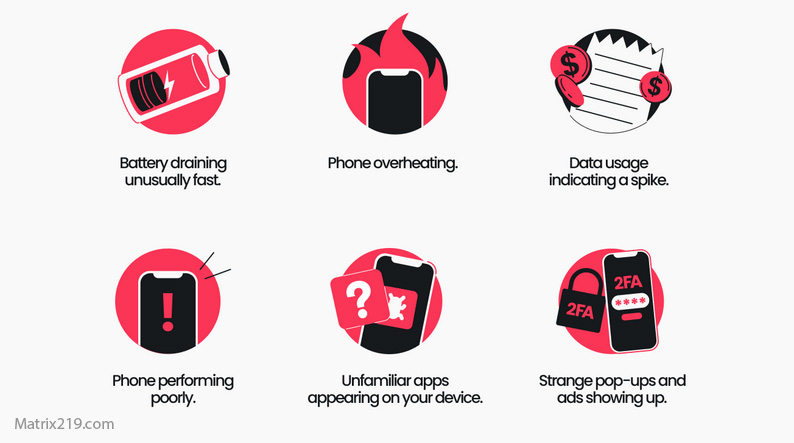
Can a hacked phone be trusted again
Why Smart People Still Get Scammed
Falling for fraud is not a sign of low intelligence. Scams work because they target moments of distraction, stress, trust, or unfamiliarity. Professionals fall for business email compromise. Tech-savvy users fall for account recovery traps. Investors fall for time-limited opportunities. Fraud adapts to the victim’s strengths, not their weaknesses.
How to Avoid Online Scams Without Becoming Paranoid
Effective protection does not require constant suspicion. It requires consistent rules. These include slowing down before acting, verifying requests through independent channels, separating accounts and devices, limiting public data exposure, and treating urgency as a warning—not a signal to comply. Habits outperform vigilance.
Account Security as the First Line of Defense
Most digital fraud escalates through account compromise. Weak passwords, reused credentials, and poor recovery settings allow scammers to impersonate victims convincingly.
Once an account is taken over, scams often escalate into broader security incidents that require structured response, containment, and recovery, especially when detection is delayed. Account hygiene is not optional. It is foundational.
What to Do If You’ve Been Scammed
Recovery starts with containment, not shame.
Immediate steps include securing compromised accounts, stopping further transactions, documenting evidence, notifying relevant platforms or financial institutions, and monitoring for follow-up attacks.
Fraud often comes in waves. One successful scam attempt increases the likelihood of future targeting. Recovery is a process, not a moment.
Long-Term Impact of Digital Fraud
The damage from scams is not always financial. Victims may experience loss of trust, anxiety, reputational harm, or secondary attacks using stolen data. These effects are often amplified by psychological manipulation rather than technical loss alone. Understanding long-term impact helps prioritize prevention and structured response.
Why Reporting Matters (Even If You Think It Won’t Help)
- Reporting scams helps platforms identify patterns, disrupt campaigns, and protect others. Even when recovery is unlikely, reporting creates friction for fraud networks and improves detection systems over time.
- Silence benefits scammers.
Building Fraud Resistance Over Time
Fraud resistance is not about knowing every scam. It is about understanding how scams think.
Users who internalize scam psychology adapt automatically as tactics change. This is why education beats lists, and strategy beats tools. Awareness scales. Fear does not.
The Realistic Goal: Risk Reduction, Not Immunity
No one is immune to fraud. The realistic goal is reducing exposure, detecting scams early, and recovering quickly. Perfect safety does not exist in digital systems built for speed and scale. But informed users lose less, recover faster, and avoid repeat targeting. That is real security.
FAQ
Are online scams increasing every year?
Yes. Online scams are increasing in volume, sophistication, and targeting accuracy. Attackers now rely on leaked data, behavioral profiling, and platform automation to create scams that feel personal and timely. The result is fewer obvious scams, but far more convincing ones.
Is technical knowledge enough to avoid scams?
No. While technical knowledge helps, most scams succeed by exploiting human psychology rather than technical weakness. Stress, urgency, trust, and authority override rational thinking. This is why even experienced professionals and security-aware users still fall victim.
Do scams only target individuals?
No. Businesses are increasingly targeted because they offer higher financial rewards. Attacks such as business email compromise, invoice fraud, and account takeover often focus on employees rather than systems, using social pressure and routine workflows to bypass controls.
Can stolen data be reused after a scam?
Yes. Stolen data is rarely used once. It is often resold, combined with other leaks, or reused in follow-up attacks. Victims of one scam are statistically more likely to be targeted again, especially if recovery steps are incomplete or visible.
Is it ever too late to improve protection?
No. Even after an incident, future risk can always be reduced. Improving account security, tightening recovery options, reducing public data exposure, and adjusting behavior significantly lowers the likelihood of repeat attacks. Prevention is an ongoing process, not a one-time setup.