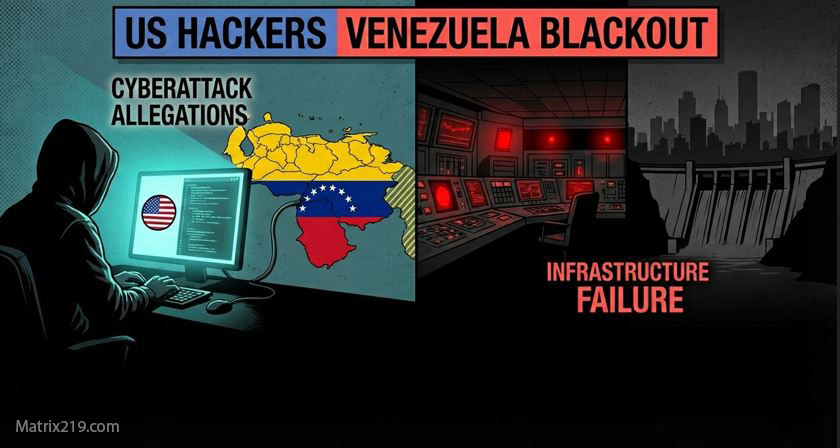
In recent days, reports claiming that US hackers caused a nationwide blackout in Venezuela have reignited global debates around cyber warfare and the fragility of critical infrastructure. Power outages are no longer viewed solely as technical failures or natural disasters; they are increasingly framed as potential outcomes of hostile cyber operations targeting national systems.
This topic matters now because modern power grids rely heavily on interconnected digital control systems. When these systems fail—whether due to negligence, misconfiguration, or malicious interference—the consequences can affect millions of people instantly. At the same time, not every blackout linked to cyber activity is what it initially appears to be.
This article examines the US hackers Venezuela blackout claim through a technical, analytical, and security-focused lens. Rather than amplifying speculation, it explains how cyberattacks on power grids actually work, what evidence is required to support such accusations, where misinformation often enters the narrative, and what this incident signals for governments and organizations worldwide.
Quick Navigation
Understanding the Venezuela Blackout Claims
Reports alleged that foreign hackers disrupted Venezuela’s national power infrastructure, resulting in widespread outages. Such claims often emerge quickly during crises, especially in politically charged environments.
However, cyber-related blackout accusations typically lack immediate technical transparency. Governments may point to external actors before forensic investigations are completed, while independent verification remains limited.
Understanding these claims requires separating possibility from proof, and technical capability from confirmed execution.
Can Cyberattacks Really Cause National Blackouts?
Yes—but not easily.
Cyberattacks on power grids require:
-
Deep access to industrial control systems
-
Knowledge of grid architecture
-
Ability to bypass physical and digital safeguards
Most successful incidents target specific substations, not entire countries.
Many discussions oversimplify this risk. In reality, large-scale blackouts usually involve a combination of operational failures, outdated infrastructure, and sometimes cyber interference.
For foundational context on infrastructure exposure, see critical infrastructure cybersecurity risks
How Power Grids Are Vulnerable to Cyber Operations
Modern grids depend on:
-
SCADA systems
-
Remote monitoring
-
Automated load balancing
These components expand the attack surface.
Common vulnerabilities include:
-
Legacy systems with poor authentication
-
Insecure remote access
-
Weak segmentation between IT and OT networks
A detailed breakdown of these weaknesses is covered in industrial control system security failures
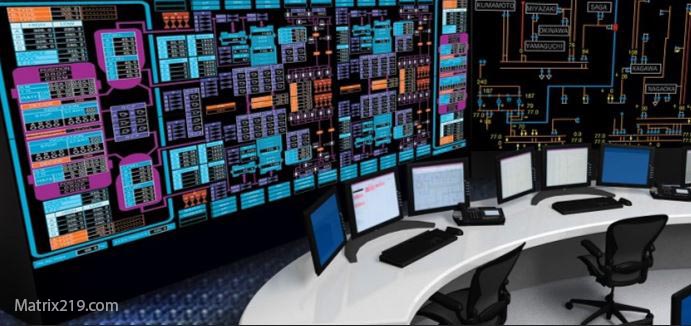
SCADA systems power grid security
Attribution: Why Blaming Hackers Is So Difficult
Attribution is the hardest part of cyber investigations.
Challenges include:
-
Use of proxy servers and compromised infrastructure
-
Reused malware by multiple actors
-
Intentional false-flag techniques
Claims involving nation-state hackers require months of analysis, not press statements.
This is why many cybersecurity professionals treat early accusations cautiously, as explained in cyberattack attribution challenges
The Geopolitical Layer of Cyber Blackouts
Cyber incidents affecting infrastructure often serve political narratives.
In highly polarized regions, blaming foreign hackers can:
-
Shift responsibility away from internal failures
-
Influence public perception
-
Justify policy decisions
This does not invalidate cyber threats, but it complicates objective analysis. A deeper geopolitical context is discussed in state-sponsored cyber operations explained
Common Misconceptions About Cyber-Induced Blackouts
“One hacker can shut down a country”
In reality, such attacks require teams, time, and often insider knowledge.
“All blackouts are cyberattacks”
Most outages globally result from:
-
Equipment failure
-
Maintenance issues
-
Environmental conditions
Understanding this distinction prevents panic and misinformation, a topic further explored in power grid failure vs cyberattack
Lessons for Global Cybersecurity Defense
Regardless of attribution, the incident highlights critical lessons:
-
Infrastructure resilience matters more than attribution speed
-
Segmentation between networks is essential
-
Incident response planning must include prolonged outages
Organizations managing infrastructure should revisit best practices outlined in critical infrastructure cyber defense strategies
📖 External Reference (Concept Support)
For a high-level, non-commercial definition of how cyber operations target infrastructure, refer to cyber warfare
FAQ
Can hackers realistically shut down an entire country’s power grid?
It is theoretically possible but extremely rare. Most cyber incidents affect localized systems. Nationwide outages usually involve multiple contributing factors beyond hacking alone.
Has Venezuela experienced cyber-related outages before?
Venezuela has faced repeated power failures over the years, many attributed to infrastructure decay. Cyber involvement has been alleged before but rarely proven conclusively.
Why do governments blame hackers so quickly after blackouts?
Early attribution can serve political or public reassurance purposes. Technical investigations typically take weeks or months to reach reliable conclusions.
What systems are usually targeted in power grid cyberattacks?
Attackers focus on SCADA and industrial control systems that manage substations, load balancing, and remote switching operations.
How can countries reduce the risk of cyber-induced blackouts?
By modernizing infrastructure, segmenting networks, enforcing strict access controls, and conducting regular cyber resilience testing.
Are cyber blackouts acts of war?
Not always. Classification depends on scale, intent, and impact. Many incidents fall into gray zones below formal acts of war.
Conclusion
Claims that US hackers caused a blackout in Venezuela highlight growing global anxiety around cyber threats to essential infrastructure. While cyberattacks on power grids are possible, proving responsibility is complex and often delayed. What matters more than immediate blame is understanding system weaknesses, reducing exposure, and building resilience. As digital control becomes inseparable from physical infrastructure, societies must prepare for disruptions—whether caused by code, neglect, or political conflict.