The Future of Digital Privacy is a growing concern as tracking technologies evolve faster than user awareness and regulation. Many people wonder whether privacy will improve through laws and tools, or continue eroding as data collection becomes more sophisticated.
The reality is that digital privacy is not moving in a single direction. Some changes strengthen user control, while others expand surveillance capabilities. Understanding upcoming trends helps users prepare rather than react.
This article explores how digital privacy is likely to evolve in the coming years and what individuals can realistically expect.
Quick Navigation
How Tracking Technologies Are Evolving
Tracking methods are becoming more subtle and resilient. Techniques such as fingerprinting, cross-device correlation, and behavioral analysis continue to improve.
As cookies face increased restrictions, trackers rely more on indirect signals that are harder to block. This shift increases the importance of awareness rather than reliance on simple tools.
To understand current tracking foundations, review: Digital Privacy and Online Tracking: How You’re Tracked Online and How to Protect Yourself
The Role of Artificial Intelligence in Tracking
Artificial intelligence plays a growing role in data analysis. AI systems can identify patterns, predict behavior, and correlate signals that were previously too complex to process.
This increases tracking accuracy while reducing the need for direct identifiers. Privacy challenges become more about inference than explicit data collection.
Understanding how websites collect signals helps clarify this shift, as explained in: How Websites Track You
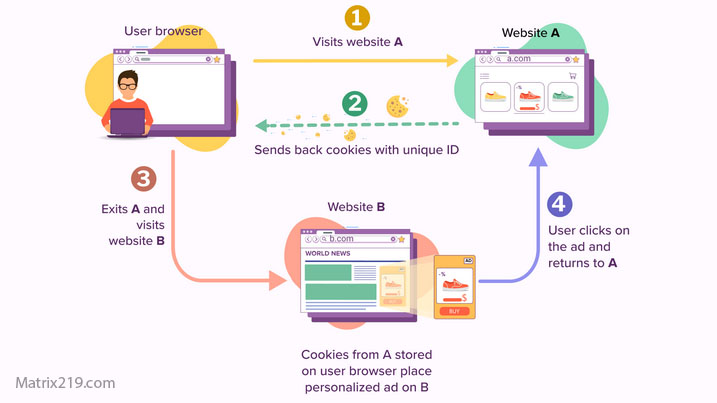
How Websites Track You
Regulatory Trends and Privacy Laws
Privacy regulations are expanding, but enforcement remains uneven. New laws aim to increase transparency and limit misuse rather than ban tracking entirely.
Future regulations are likely to focus on accountability, algorithmic transparency, and data minimization rather than complete prevention.
For clarity on current legal protections, see: Privacy Laws Explained
Privacy Tools and Browser Changes
Browsers and operating systems are introducing built-in privacy protections. These changes reduce some tracking methods while encouraging new alternatives.
As platforms compete on privacy messaging, default protections may improve. However, technical limitations will remain.
The Growing Importance of User Awareness
Future privacy protection will rely heavily on informed users. Awareness of tracking methods, data collectors, and realistic limits will matter more than any single tool.
Privacy habits will become a standard digital skill rather than a niche concern.
Practical steps that remain relevant regardless of technology changes are covered here: How to Stop Online Tracking
What Realistic Privacy Will Look Like
Digital privacy will continue evolving rather than disappearing. Users will likely have more transparency but not full control.
The most effective strategy will combine awareness, selective tool usage, and behavioral discipline rather than chasing absolute privacy.
FAQ
Will digital privacy improve or get worse?
Both. Some protections will improve, while tracking technologies will also advance.
Will AI make privacy impossible?
AI increases tracking sophistication, but awareness and regulation can offset some risks.
Can future laws eliminate tracking?
Unlikely. Laws regulate behavior but rarely remove technical capabilities.
Should users rely on future privacy tools?
Tools help, but informed behavior remains essential.
Is digital privacy still worth caring about?
Yes. Small improvements can significantly reduce long-term exposure.