Online Privacy for Travelers becomes critical the moment users connect to unfamiliar networks in airports, hotels, cafés, or coworking spaces. Public Wi-Fi offers convenience, but it also increases exposure to tracking, interception, and data leakage.
Travelers often rely on multiple devices, temporary connections, and shared infrastructure. This combination makes privacy risks more pronounced, especially when accessing accounts or sensitive information on the move.
This article explains the specific privacy risks travelers face and provides practical steps to protect data while using public and foreign networks.
Quick Navigation
Why Travel Increases Privacy Risks
Travel environments introduce unfamiliar networks and devices. Public Wi-Fi networks are often unsecured or poorly configured, making traffic easier to observe or manipulate.
Frequent logins, location changes, and device roaming also increase tracking signals. These factors make travelers easier to profile and target.
To understand how tracking operates across networks, review: Digital Privacy and Online Tracking: How You’re Tracked Online and How to Protect Yourself
Public Wi-Fi and Data Exposure
Public Wi-Fi networks may allow other users on the same network to observe unencrypted traffic. Even when encryption is used, network operators can still see connection metadata.
Some networks inject tracking scripts or monitor browsing behavior. This makes public Wi-Fi a high-risk environment for sensitive activity.
Location and Network-Based Tracking While Traveling
Travel amplifies location tracking. IP addresses, Wi-Fi identifiers, and network metadata reveal movement patterns and travel history.
Combined with account logins, this data can link travel behavior to personal profiles.
A technical explanation of location inference is covered here: Location Tracking Explained
Using VPNs While Traveling
VPNs encrypt traffic and hide IP addresses from local networks. This reduces exposure on public Wi-Fi and prevents basic interception.
However, VPNs do not block tracking scripts or account-based profiling. They are a protective layer, not a complete privacy solution.
Understanding VPN limitations is important, as explained in: Online Privacy Tools
Device and App Precautions for Travelers
Travelers should review app permissions before and after trips. Some apps increase background activity when location changes.
Disabling auto-connect to Wi-Fi, limiting Bluetooth usage, and keeping devices updated reduce unnecessary exposure.
App-level tracking methods are explained here: How Apps Track You
Account Safety While on the Move
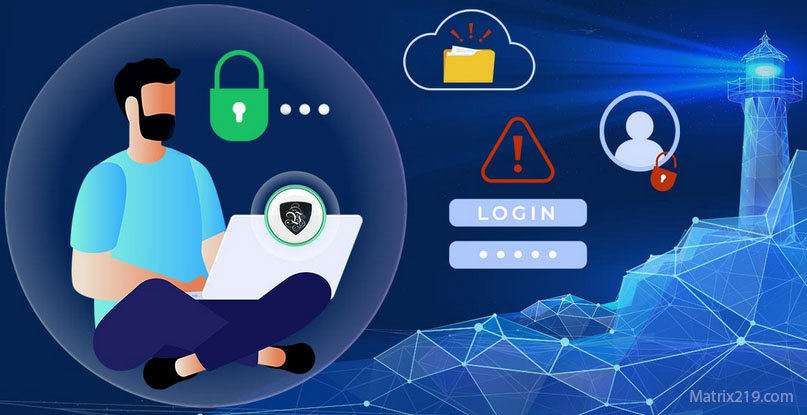
Accessing accounts from unfamiliar locations can trigger security flags and increase profiling. Using separate devices or profiles for sensitive accounts helps reduce risk.
Logging out after use and avoiding unnecessary account access on public networks improves privacy and security.
For account-related privacy risks, see: Who Collects Your Data Online
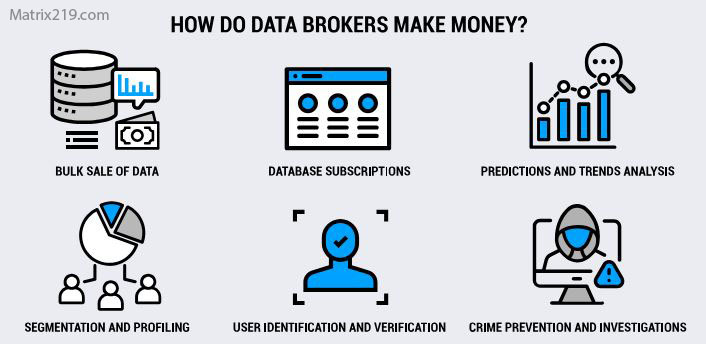
Data Brokers and Aggregators
Practical Travel Privacy Habits
Travel privacy protection relies on habits rather than tools alone. Avoiding sensitive tasks on public networks and reviewing settings after trips helps maintain control.
Small, consistent precautions reduce long-term exposure more effectively than extreme measures.
For broader tracking reduction strategies, see: How to Stop Online Tracking
FAQ
Is public Wi-Fi always unsafe?
Not always, but it carries higher risk than private networks.
Does using a VPN make public Wi-Fi safe?
It reduces risk but does not eliminate all privacy concerns.
Can hotels track guest internet activity?
Yes. Network operators can observe metadata and usage patterns.
Should travelers avoid logging into accounts?
Avoid unnecessary logins, especially for sensitive accounts.
Is mobile data safer than public Wi-Fi?
Often yes, but it still allows tracking by providers and apps.