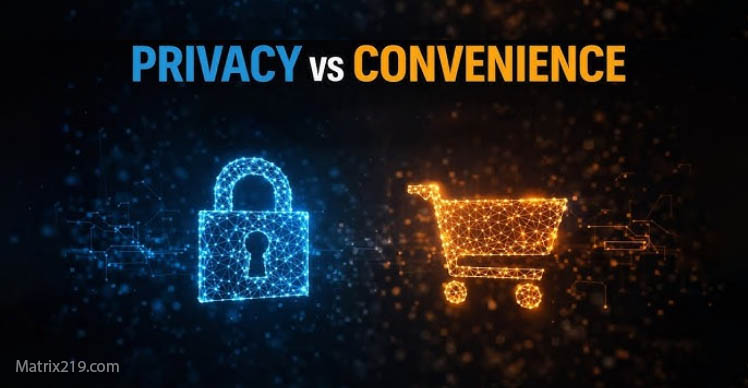
Online Privacy vs Convenience is a trade-off most users make every day without realizing it. Fast logins, personalized content, and seamless app experiences often come at the cost of increased data collection and long-term profiling.
Many privacy decisions are not binary. Users rarely choose between full privacy and zero privacy. Instead, they exchange small amounts of data for comfort, speed, or personalization, often without understanding the cumulative effect.
This article explains how convenience-driven choices impact digital privacy and how users can regain balance without sacrificing usability.
Quick Navigation
Why Convenience Drives Data Collection
Convenience depends on data. Saved logins, recommendations, and synchronized services require persistent identifiers and behavioral tracking.
Platforms optimize for ease of use because friction reduces engagement. Data collection allows systems to predict preferences and reduce user effort, but it also increases visibility into personal behavior.
To understand how tracking enables convenience, see: Digital Privacy and Online Tracking: How You’re Tracked Online and How to Protect Yourself
Common Convenience Features That Reduce Privacy
Many everyday features rely on tracking. Single sign-on systems connect activity across services. Personalized feeds depend on behavioral analysis.
Auto-fill, location-based suggestions, and smart assistants all require continuous data access. Each feature adds a layer of exposure that persists over time.
Understanding how websites collect and reuse this data is explained here: How Websites Track You
The Hidden Cost of Seamless Experiences
Convenience often hides long-term costs. Data collected for one feature may later be reused for advertising, analytics, or profiling.
Because data persists, short-term convenience decisions can affect privacy years later. Users rarely revisit these choices once habits are formed.
To see who benefits from this data, review: Who Collects Your Data Online
When Convenience Is Worth the Trade-Off
Not all data sharing is unreasonable. Some convenience features genuinely improve usability and accessibility.
The key is informed choice. Knowing what data is exchanged allows users to decide which conveniences are worth the privacy cost.
Reducing Privacy Loss Without Losing Usability
Users can reduce exposure by disabling unnecessary features while keeping essential ones. For example, staying logged into critical services while avoiding universal logins limits cross-platform tracking.
Separating casual browsing from account-based activity significantly improves privacy with minimal inconvenience.
Practical strategies to reduce exposure are explained here: How to Stop Online Tracking
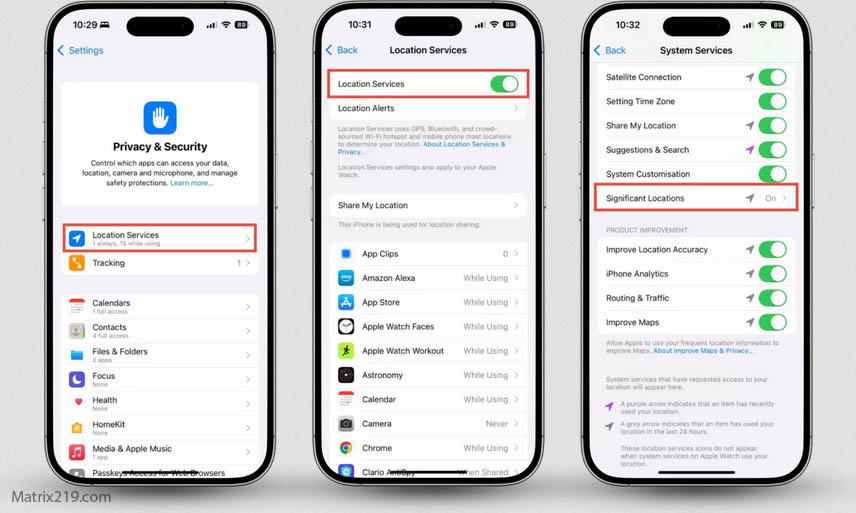
How to Stop Online Tracking
Building Awareness Around Small Choices
Privacy erosion often happens through small, repeated decisions rather than major events. Awareness transforms these decisions into intentional choices.
Over time, adjusting defaults and habits restores balance between privacy and convenience.
FAQ
Is convenience always bad for privacy?
No. The issue is unexamined convenience, not convenience itself.
Can users enjoy convenience and privacy?
Yes. Balanced settings and habits allow both.
Does personalization always require tracking?
Often yes, but the level of tracking varies.
Are defaults designed for privacy?
Usually not. Defaults prioritize engagement and usability.
How can users reassess privacy choices?
By reviewing settings and understanding what data powers features.