Online Tracking Beyond Websites is often overlooked because many users associate tracking only with browsers and websites. In reality, a significant portion of data collection happens outside traditional web pages, through mobile apps, connected devices, and even email communication.
These tracking methods operate continuously and often silently. They rely on device-level identifiers, background permissions, and embedded technologies that users rarely review. Understanding how tracking extends beyond websites is essential for anyone aiming to reduce overall digital exposure.
This article explains how tracking works across apps, devices, and emails, and why these methods are harder to notice and control.
Quick Navigation
Tracking Through Mobile Applications
Mobile apps are one of the most powerful tracking tools today. They collect data through permissions, device identifiers, and background processes that continue running even when the app is not actively used.
App tracking can include usage behavior, location patterns, and interaction frequency. Many apps also share this data with third parties for analytics and advertising purposes.
To understand how app data fits into broader privacy systems, see:
Digital Privacy and Online Tracking: How You’re Tracked Online and How to Protect Yourself
Device Identifiers and System-Level Tracking
Modern devices expose unique identifiers that allow long-term recognition. These identifiers are often used for analytics, advertising, and system optimization.
Unlike cookies, device identifiers are harder for users to reset or control. Even when apps are uninstalled, identifiers may persist and continue linking new activity to previous profiles.
Smart Devices and IoT Tracking
Smart TVs, speakers, and connected home devices collect telemetry data related to usage and interaction. This data may include voice commands, viewing habits, and system performance metrics.
Because these devices operate continuously, tracking can occur without direct user interaction. Privacy controls for smart devices are often limited or difficult to access.
Email Tracking Technologies
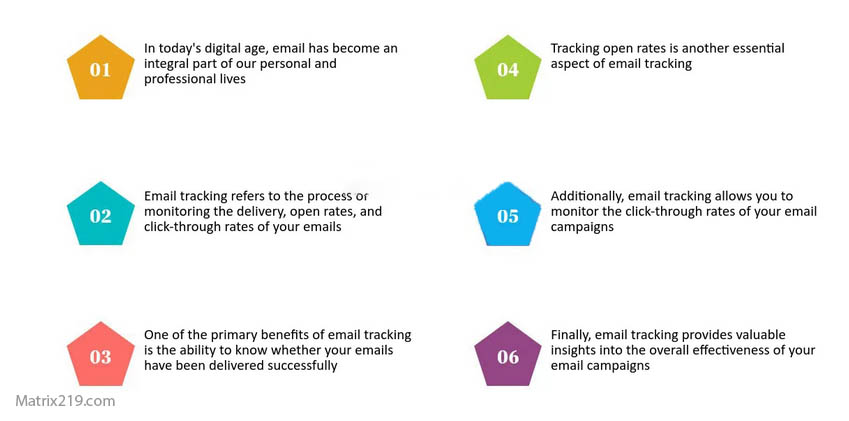
Email tracking commonly relies on invisible pixels embedded within messages. When an email is opened, the pixel loads from a remote server, confirming the open event and sometimes capturing device or location data.
This technique is widely used in marketing and professional communication. Most users are unaware that simply opening an email can trigger data collection.
Email Tracking Technologies
Cross-Device and Cross-Platform Tracking
Tracking systems increasingly connect activity across multiple devices. A phone, laptop, and smart TV can all be linked to a single user profile through account logins, shared networks, or behavioral patterns.
This allows tracking to persist even when users switch devices or platforms, significantly expanding data visibility.
For an explanation of how websites contribute to these profiles, review:
How Websites Track You
Why Non-Browser Tracking Is Hard to Control
Unlike browsers, apps and devices often lack granular privacy controls. Permissions are broad, and opt-out options may be hidden or unavailable.
Reducing exposure requires understanding which services collect data and adjusting usage habits accordingly rather than relying on a single privacy tool.
Practical steps to limit tracking across devices are covered here:
How to Stop Online Tracking
FAQ
Do mobile apps track users even when closed?
Some apps continue collecting limited data in the background depending on permissions and system behavior.
Can device tracking be disabled completely?
Complete disabling is difficult, but exposure can be reduced by limiting permissions and avoiding unnecessary apps.
Are smart devices always listening?
Not constantly, but many collect interaction data and telemetry when activated or in use.
Can emails track users without clicks?
Yes. Tracking pixels can confirm email opens without any user interaction beyond opening the message.
Is non-browser tracking more invasive than website tracking?
It can be, because it often operates continuously and is less visible to users.