Privacy-Focused Search Engines have gained attention as users become more aware of how traditional search engines collect and profile search behavior. Every query reveals interests, intentions, and sometimes personal concerns, making search one of the most sensitive areas of online activity.
Unlike conventional search engines, privacy-focused alternatives aim to reduce or eliminate user tracking. However, not all privacy claims mean the same thing, and the level of protection varies significantly.
This article explains how privacy-focused search engines work, what makes them different, and when switching search engines actually improves digital privacy.
Quick Navigation
How Traditional Search Engines Track Users
Traditional search engines collect search queries, clicks, and interaction patterns. When users are logged into accounts, this data is linked directly to identity and used for personalization and profiling.
Even without login, search behavior can be associated with devices through cookies, IP addresses, and fingerprinting techniques.
To understand how tracking extends beyond search, see: Digital Privacy and Online Tracking: How You’re Tracked Online and How to Protect Yourself
What Makes a Search Engine Privacy-Focused
Privacy-focused search engines minimize or avoid storing identifiable search data. Many do not track IP addresses, store queries, or create user profiles.
Some rely on contextual ads rather than behavior-based advertising. Others avoid ads entirely or use alternative monetization models.
How Privacy Search Engines Deliver Results
Most privacy-focused search engines do not crawl the web independently. Instead, they aggregate results from multiple sources or license indexes.
This approach allows them to provide competitive search results without collecting user data. However, it can affect result freshness or coverage in some cases.
Limits of Privacy-Focused Search Engines
Using a privacy-focused search engine does not make users anonymous. Network-level tracking, browser fingerprinting, and account-based activity still apply.
Search privacy improves, but broader tracking systems remain in place. Understanding these limits helps avoid false expectations.
A technical overview of tracking layers is explained here: How Websites Track You
When Switching Search Engines Helps
Switching search engines is most effective for users who perform sensitive searches or want to reduce behavioral profiling.
It is especially useful when combined with privacy-aware browsers and limited account usage.
For practical steps that complement search engine choice, see: How to Stop Online Tracking
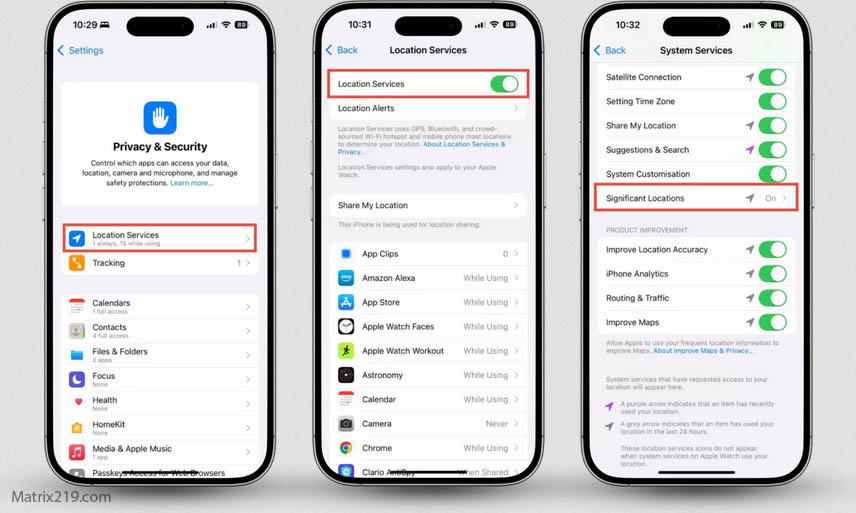
How to Stop Online Tracking
Search Engines and Data Collectors
Even privacy-focused search engines interact with external websites when users click results. These sites may still track visitors independently.
Understanding who collects data after search results is essential, as explained in: Who Collects Your Data Online
Choosing the Right Privacy Search Engine
Choosing a privacy-focused search engine involves evaluating transparency, funding model, and result quality.
Reading privacy policies and understanding monetization helps users make informed decisions.
FAQ
Do privacy-focused search engines store search history?
Many claim not to store identifiable search history, but practices vary.
Are search results worse on privacy search engines?
Results can be comparable, though coverage may differ in some cases.
Can privacy search engines block tracking on websites?
No. They only affect search activity, not site-level tracking.
Are privacy search engines free to use?
Most are free, often supported by non-tracking ads or donations.
Should everyone use a privacy-focused search engine?
Users concerned about search profiling benefit most, but choice depends on preferences.