Privacy Laws Explained is important for users who assume that regulations automatically guarantee online privacy. While laws like GDPR have improved transparency and user rights, they do not eliminate tracking or prevent all forms of data collection.
Privacy regulations define legal boundaries, not technical limits. Understanding what these laws actually cover—and what they do not—helps users set realistic expectations and make better privacy decisions.
This article explains how major privacy laws work, what protections they offer, and where their limitations begin.
Quick Navigation
Why Privacy Laws Exist
Privacy laws emerged in response to large-scale data collection and misuse. Their primary goal is to regulate how organizations collect, process, store, and share personal data.
Rather than banning tracking outright, most regulations focus on transparency, consent, and accountability. This approach balances user rights with business operations.
To understand the technical side of tracking that laws attempt to regulate, see: Digital Privacy and Online Tracking: How You’re Tracked Online and How to Protect Yourself
What GDPR Actually Protects
GDPR gives users rights over their personal data, including access, correction, and deletion. It also requires organizations to disclose data collection practices and obtain lawful grounds for processing.
However, GDPR does not stop all tracking. It allows data collection under certain conditions, such as legitimate interest or contractual necessity.
Consent and Data Collection
Consent is often misunderstood. Many users believe clicking “accept” grants unlimited permission. In reality, consent must be informed, specific, and revocable.
That said, consent banners do not prevent tracking by default. They mainly ensure legal disclosure rather than technical blocking.
Understanding how websites collect data helps clarify this process, as explained in: How Websites Track You
Other Major Privacy Regulations
Beyond GDPR, many regions have introduced privacy laws with similar principles. These laws aim to improve transparency and limit misuse but vary widely in enforcement and scope.
Some regulations focus on specific sectors, while others apply broadly to digital services. None eliminate tracking entirely.
Where Privacy Laws Fall Short
Privacy laws rely on enforcement and compliance. Limited oversight and jurisdictional differences can reduce their effectiveness.
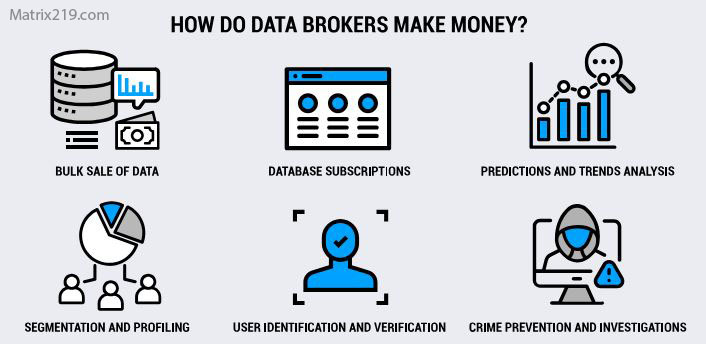
Data brokers and cross-border data transfers further complicate enforcement, leaving gaps in protection.
To understand who operates within these gaps, see: Who Collects Your Data Online
Data Brokers and Aggregators
What Privacy Laws Mean for Users
Privacy laws empower users with rights, but they do not replace personal responsibility. Users must still adjust settings, manage permissions, and understand tracking mechanisms.
Legal protection works best when combined with informed behavior and practical privacy habits.
For actionable steps beyond legal rights, see: How to Stop Online Tracking
FAQ
Do privacy laws stop online tracking?
No. They regulate tracking but do not eliminate it.
Can users request deletion of all personal data?
In some cases, yes, but enforcement and scope vary.
Are consent banners legally required?
Often yes, but requirements differ by region.
Do privacy laws apply globally?
Most laws apply regionally, though some have international impact.
Are privacy laws enough to protect users?
They help, but practical privacy still depends on user choices.