What Is Digital Privacy is a question many internet users ask only after they experience a privacy breach or realize how much personal data is being collected about them. Every online action, from browsing websites to using mobile apps, creates data that can reveal behavior patterns, preferences, and even personal identity. For most people, this process remains invisible, which makes understanding digital privacy more important than ever.
The reality is that digital privacy is no longer a technical issue limited to experts. It affects everyday decisions, personal safety, and long-term control over digital identity. As tracking technologies evolve and data collection becomes more sophisticated, users need a clear understanding of what digital privacy actually means and why it plays a critical role in modern online life.
This article explains the concept of digital privacy in practical terms, why it matters today, and how it connects to the broader online tracking ecosystem.
Quick Navigation
What Digital Privacy Means
Digital privacy refers to the ability to control how personal information is collected, used, shared, and stored in digital environments. It applies to data generated by browsing activity, mobile applications, online accounts, and connected devices.
Unlike traditional privacy, digital privacy is continuous. Data is often collected automatically, without explicit consent at every step. This makes awareness and informed decision-making essential components of privacy protection.
Why Digital Privacy Is Important
Digital privacy matters because personal data has value. Companies use it to personalize services, advertisers use it to target behavior, and data brokers use it to build long-term profiles.
Loss of privacy can lead to unwanted tracking, identity exposure, manipulation of content visibility, and increased risk during security incidents. Once personal data is widely shared, regaining control becomes difficult.
To understand how this data is collected at scale, it helps to review the broader tracking systems explained in: Digital Privacy and Online Tracking: How You’re Tracked Online and How to Protect Yourself
Digital Privacy vs Online Anonymity
Digital privacy does not mean anonymity. Anonymity focuses on hiding identity completely, while privacy focuses on limiting unnecessary exposure.
Most online services require some level of identification to function. Privacy strategies aim to reduce excess data collection rather than eliminate visibility altogether. Understanding this distinction helps users set realistic expectations.
Common Sources of Privacy Risks
Privacy risks often come from everyday tools rather than malicious actors. Social media platforms, free mobile apps, and data-sharing agreements between companies contribute significantly to data exposure.
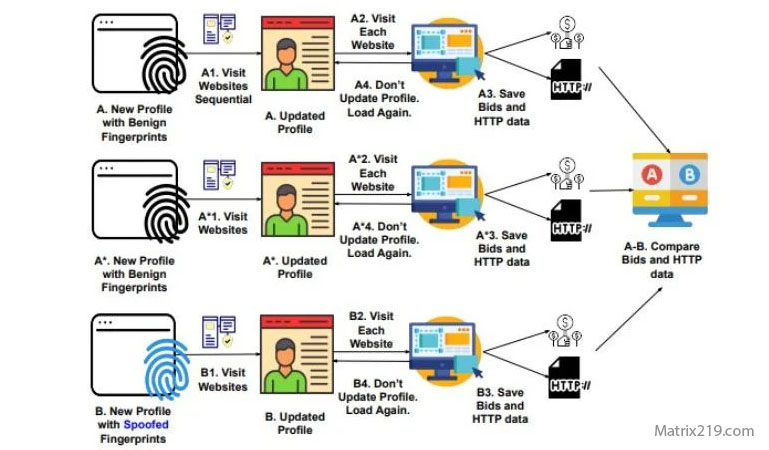
Tracking does not always rely on obvious identifiers. Techniques such as fingerprinting and cross-device tracking allow systems to recognize users without direct login.
A deeper explanation of these mechanisms is covered here: How Websites Track You
How Digital Privacy Affects Daily Online Life
Digital privacy influences what content you see, which ads follow you, and how platforms shape recommendations. It can affect job opportunities, financial offers, and access to information.
Small choices, such as staying logged into accounts or granting unnecessary permissions, can have long-term effects on digital profiles.
To understand how privacy extends beyond browsers, see: Online Tracking Beyond Websites
Online Tracking Beyond Websites
Digital Privacy and Personal Responsibility
While regulations and platform policies play a role, individual behavior remains a key factor. Reviewing privacy settings, limiting unnecessary app access, and understanding tracking practices all contribute to better privacy outcomes.
Privacy is not a one-time setup. It requires periodic review as platforms, devices, and technologies change.
For practical steps on reducing exposure, see: How to Stop Online Tracking
The Legal Side of Digital Privacy
Privacy laws establish minimum standards for data handling and transparency. However, compliance does not eliminate tracking or guarantee protection.
Understanding legal frameworks helps users know their rights, but practical privacy still depends on informed choices. Electronic Frontier Foundation – Digital Privacy Basics
FAQ
What is digital privacy in simple terms?
Digital privacy means having control over how your personal data is collected, used, and shared when you use the internet and digital services.
Is digital privacy only about security?
No. Security focuses on preventing attacks, while privacy focuses on limiting data collection and exposure, even when systems are secure.
Can digital privacy be fully protected?
Complete protection is unrealistic, but exposure can be significantly reduced through informed behavior and privacy-aware tools.
Does using the internet mean giving up privacy?
Not entirely. While some data collection is unavoidable, users can limit how much information is shared and retained.
Why is digital privacy becoming more important?
As tracking technologies and data profiling become more advanced, personal data carries greater long-term impact on identity and autonomy.