Who Collects Your Data Online is a question many users overlook while focusing only on how tracking works. In reality, understanding who collects data is just as important as understanding the technology itself. A single online interaction can involve multiple parties gathering information simultaneously, often without clear visibility for the user.
Data collection today is not limited to the websites you visit directly. Entire ecosystems exist to gather, exchange, and monetize user information. Knowing the main players involved helps clarify where data goes, why it is valuable, and how long it may persist.
This article explains the primary entities that collect online data, how they operate, and what this means for personal digital privacy.
Quick Navigation
First-Party Data Collectors
First-party data collectors are the websites and services users interact with directly. They collect information to provide functionality, personalize experiences, and analyze performance.
Examples include account details, usage behavior, and interaction history. While this data is often necessary for services to operate, it can also be retained longer than users expect.
Understanding first-party collection is essential before addressing broader tracking concerns discussed in:
Digital Privacy and Online Tracking: How You’re Tracked Online and How to Protect Yourself
Advertisers and Ad Networks
Advertisers rarely collect data alone. They rely on ad networks that distribute ads across multiple websites and apps. These networks track users across different platforms to build behavioral profiles.
This allows advertisers to target users based on interests, location, and browsing habits. Even users who never click ads may still be tracked through impressions and interactions.
Analytics and Tracking Providers
Analytics providers collect data to help website owners understand traffic, performance, and user behavior. While often presented as neutral tools, analytics platforms can still contribute to long-term profiling.
Some analytics services operate across thousands of websites, giving them broad visibility into user behavior across the internet.
To see how analytics fit into tracking systems, review:
How Websites Track You
Data Brokers and Aggregators
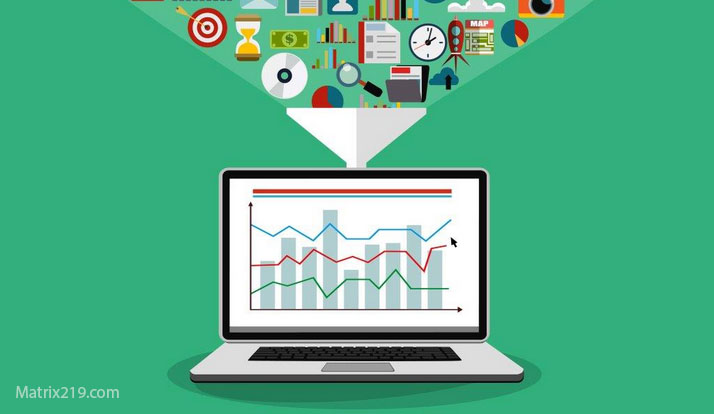
Data brokers collect information from multiple sources and combine it into detailed profiles. These sources include websites, apps, public records, and commercial data partners.
Unlike first-party collectors, data brokers often have no direct relationship with users. Profiles may persist for years and can be sold, shared, or reused across industries.
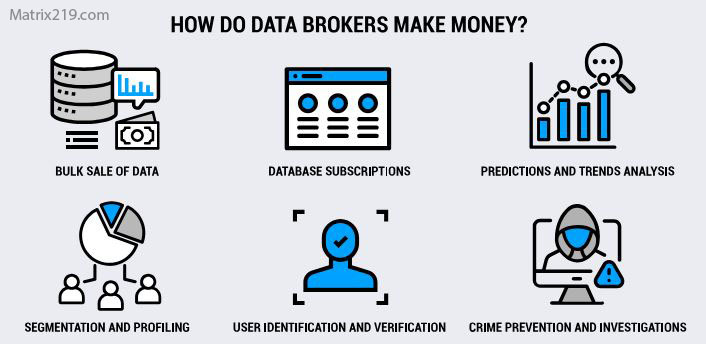
Data Brokers and Aggregators
Mobile Apps and Device Manufacturers
Mobile applications collect data through permissions, background processes, and device identifiers. Device manufacturers may also collect telemetry data related to usage and system performance.
This data can be shared with partners or used internally to refine products and services, extending tracking beyond traditional web activity.
For a deeper look into mobile tracking, see:
Online Tracking Beyond Websites
Why Knowing the Data Collectors Matters
Understanding who collects data helps users evaluate privacy risks more accurately. Different entities have different incentives, retention policies, and security practices.
When users recognize these roles, they can make better decisions about which services to trust and how to adjust privacy settings accordingly.
For practical strategies to limit data exposure across platforms, see:
How to Stop Online Tracking
FAQ
Who collects the most data about users online?
Large platforms, ad networks, and data brokers tend to collect the most data due to their reach across multiple services and websites.
Do websites sell user data directly?
Some do, but many share data indirectly through partners, analytics tools, or advertising networks.
Can users see what data companies collect?
Some platforms offer data access tools, but visibility varies widely depending on the service and region.
Are data brokers legal?
In many regions, data brokers operate legally under disclosure requirements, though regulations are evolving.
Can users remove data held by data brokers?
Removal is possible in some cases, but it often requires manual requests and ongoing monitoring.