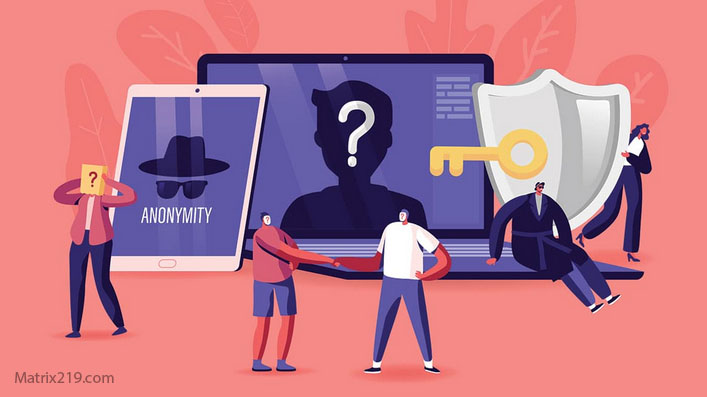
Can You Be Anonymous Online is a question driven by frustration with tracking, profiling, and constant data collection. Many users hope there is a way to browse, communicate, and use online services without leaving identifiable traces behind.
The reality is more nuanced. Full anonymity is extremely difficult to achieve in everyday internet use, but partial anonymity and reduced identifiability are possible. Understanding the difference between anonymity, privacy, and pseudonymity helps set realistic expectations.
This article explains what online anonymity really means, what is technically possible, and where the limits begin.
Quick Navigation
What Online Anonymity Actually Means
Online anonymity means interacting without your real identity being linked to your activity. This is different from privacy, which focuses on limiting data collection, and from security, which focuses on protection from attacks.
True anonymity requires breaking the link between identity and behavior. On the modern internet, that link is reinforced by accounts, devices, and networks.
To understand how identity is normally established, review: Digital Privacy and Online Tracking: How You’re Tracked Online and How to Protect Yourself
Why Full Anonymity Is Hard to Achieve
Most online services are built around identification. Accounts, device identifiers, and behavioral tracking all work together to recognize users.
Even without logins, fingerprinting and network-level signals can identify users. These mechanisms make sustained anonymity extremely difficult outside controlled environments.
A technical explanation of these tracking layers is covered here: How Websites Track You
Anonymity vs Pseudonymity
Pseudonymity uses consistent identities that are not directly linked to real names. While not anonymous, pseudonymous use reduces exposure of real-world identity.
Many online platforms allow pseudonyms but still track behavior. This approach reduces some risks but does not eliminate tracking.
Tools Commonly Associated With Anonymity
Tools such as privacy-focused browsers, VPNs, and network routing services are often associated with anonymity. These tools reduce certain signals but do not remove all identifiers.
Relying on a single tool creates false confidence. Anonymity requires understanding how tools interact with tracking systems rather than assuming complete protection.
Practical reduction strategies are explained here: How to Stop Online Tracking
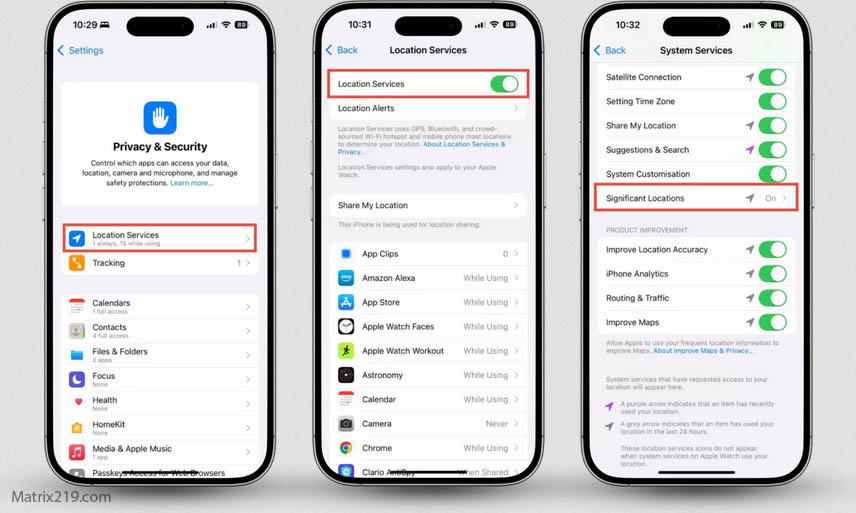
How to Stop Online Tracking
When Anonymity Conflicts With Usability
High levels of anonymity often reduce usability. Services may block access, require verification, or limit features when identity signals are missing.
This trade-off explains why full anonymity is rarely compatible with mainstream services. Users must balance anonymity goals with practical needs.
Who Truly Needs Online Anonymity
Journalists, activists, and individuals in high-risk environments may require stronger anonymity measures. These cases involve different threat models than everyday browsing.
For most users, reducing unnecessary tracking provides meaningful protection without extreme measures.
Understanding who collects data helps assess risk more accurately, as explained in: Who Collects Your Data Online
Realistic Expectations for Online Anonymity
Realistic anonymity focuses on minimizing identifiability rather than eliminating it. Small improvements in anonymity can significantly reduce long-term profiling.
Awareness, layered tools, and disciplined behavior matter more than chasing absolute anonymity.
FAQ
Is complete online anonymity possible?
In theory, yes. In practice, it is extremely difficult to maintain consistently.
Does private browsing provide anonymity?
No. It mainly affects local data storage and does not block external tracking.
Can anonymity be maintained on social media?
Not fully. Social platforms rely heavily on identity and behavior tracking.
Is anonymity the same as privacy?
No. Privacy limits data collection, while anonymity hides identity.
Should average users aim for anonymity?
Most users benefit more from reducing tracking than from pursuing full anonymity.