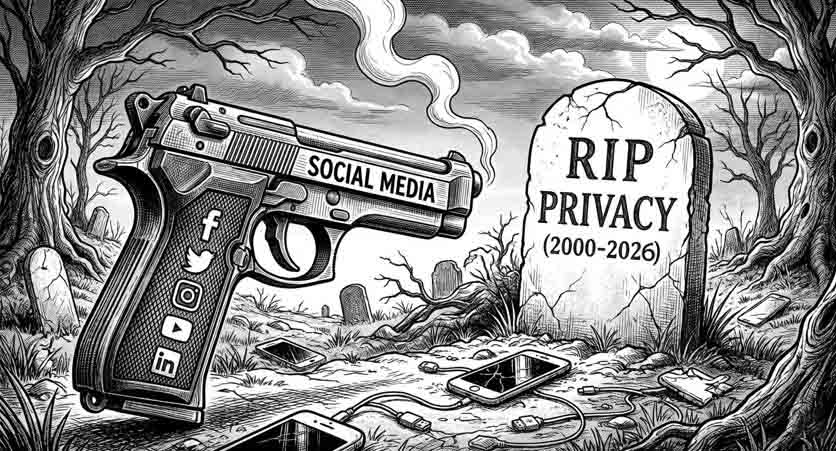
Is Online Privacy Dead is a question that reflects growing frustration rather than a clear technical reality. With constant data breaches, aggressive tracking, and expanding surveillance technologies, many users feel that privacy no longer exists online.
This perception is understandable, but it is also incomplete. While traditional ideas of privacy have changed, digital privacy has not disappeared entirely. Instead, it has evolved into a more complex balance between visibility, convenience, and control.
This article examines whether online privacy is truly dead, what has changed over time, and what realistic privacy means in today’s internet ecosystem.
Quick Navigation
Why People Believe Online Privacy Is Dead
High-profile data breaches and constant news about surveillance contribute to the belief that privacy is gone. Many users discover tracking only after seeing targeted ads or personalized content that feels intrusive.
The increasing integration of accounts, devices, and platforms also makes tracking more visible. This fuels the perception that users have lost all control over their data.
Understanding how tracking systems operate helps clarify this reality, as explained in: Digital Privacy and Online Tracking: How You’re Tracked Online and How to Protect Yourself
How Online Privacy Has Changed
Early internet use involved minimal data collection. Modern platforms, however, rely heavily on data-driven models that track behavior to function effectively.
Privacy today is no longer about hiding completely. It is about managing how much data is shared, with whom, and for what purpose. This shift requires new expectations rather than nostalgia for an earlier internet era.
The Difference Between Privacy Loss and Privacy Evolution
Privacy loss implies total disappearance. Privacy evolution reflects changing trade-offs. Users often exchange some data for convenience, personalization, or access to services.
Problems arise when this exchange happens without understanding or meaningful choice. Awareness restores some level of control.
To understand how this exchange works technically, see: How Websites Track You
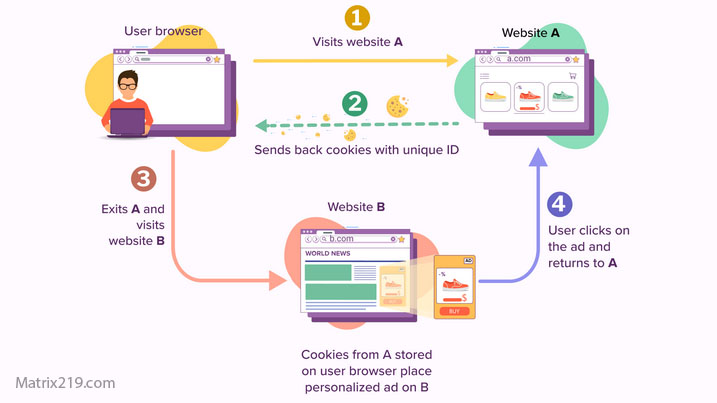
How Websites Track You
What Still Works to Protect Privacy
Privacy is not binary. Tools and behaviors can still reduce exposure significantly. Using privacy-focused browsers, limiting account-based tracking, and controlling app permissions all help.
These strategies do not eliminate tracking, but they reduce unnecessary data collection and long-term profiling.
Practical reduction methods are outlined here: How to Stop Online Tracking
Where Privacy Is Most at Risk
Privacy risks are highest where data collection is invisible. Mobile apps, smart devices, and third-party data brokers often operate with limited transparency.
Understanding who collects data helps identify risk areas more accurately, as explained in: Who Collects Your Data Online
What Realistic Privacy Looks Like Today
Realistic privacy is about informed participation. Users cannot fully avoid data collection, but they can influence how much data is shared and how it is used.
Setting boundaries, reviewing permissions, and avoiding unnecessary services all contribute to practical privacy protection.
FAQ
Is online privacy completely gone?
No. While tracking is widespread, users can still reduce exposure and regain partial control.
Can laws restore full online privacy?
Laws improve transparency and accountability but do not eliminate tracking.
Does using privacy tools mean avoiding all tracking?
No. Privacy tools reduce exposure but cannot block every tracking method.
Is giving up privacy unavoidable?
Some data sharing is unavoidable, but excessive exposure is not.
What is the future of online privacy?
Privacy will continue evolving alongside technology, regulations, and user awareness.