Online Privacy for Journalists and Activists requires a different mindset than everyday privacy. People working in sensitive fields often face targeted surveillance, profiling, and data collection that goes beyond standard advertising or analytics tracking.
For journalists and activists, privacy risks are not theoretical. Source exposure, location tracking, and account compromise can have real-world consequences. This makes understanding digital privacy fundamentals essential, even without advanced technical setups.
This article explains the unique privacy challenges faced by journalists and activists and outlines practical, realistic steps to reduce exposure.
Quick Navigation
Why Journalists and Activists Face Higher Privacy Risks
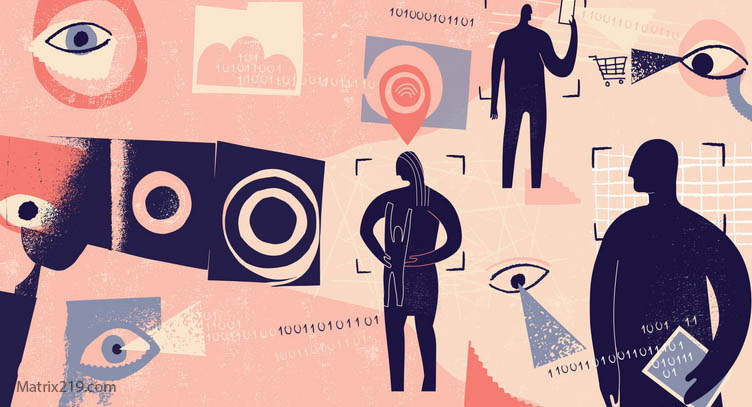
Journalists and activists are often targeted intentionally. Tracking may be used to identify sources, monitor communications, or map networks of contacts.
Unlike general users, these risks are not accidental. Data collection can be deliberate and persistent, making basic privacy awareness critical.
To understand the tracking systems involved, review: Digital Privacy and Online Tracking: How You’re Tracked Online and How to Protect Yourself
Threat Models and Risk Awareness
Privacy strategies must match the level of risk. Not all journalists or activists face the same threats, and overestimating or underestimating risk can be harmful.
Understanding who might collect data and why helps shape realistic protection strategies.
For clarity on data collectors, see: Who Collects Your Data Online
Communication Privacy Basics
Email, messaging apps, and collaboration tools can expose metadata even when content is protected. Who communicates with whom, when, and from where can reveal sensitive relationships.
Using tools that minimize metadata exposure and separating professional communication from personal accounts reduces risk.
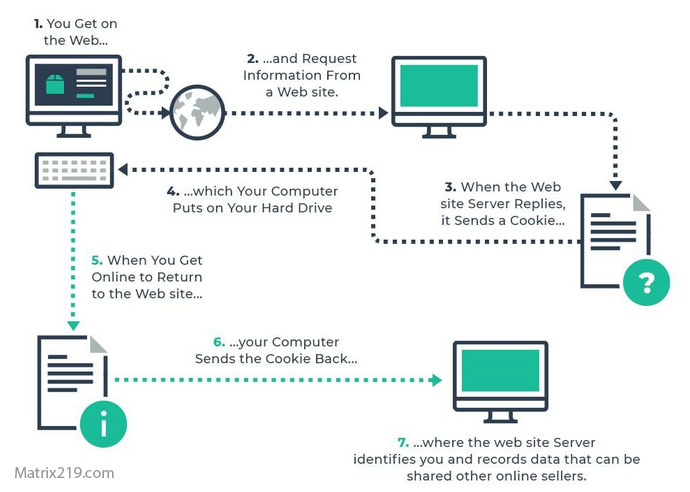
Email tracking mechanisms are explained here: Email Tracking Explained
Email Tracking Explained
Account and Identity Protection
Account compromise is one of the most common privacy failures. Strong passwords, unique credentials, and careful login practices are essential.
Avoid linking sensitive work accounts with personal services. Account-based tracking can quickly connect identities across platforms.
Understanding account-based risks helps reduce exposure, as explained in: How Websites Track You
Device and Location Privacy
Devices reveal location through networks, sensors, and usage patterns. For high-risk users, location privacy deserves special attention.
Limiting wireless features, reviewing app permissions, and avoiding unnecessary device exposure helps reduce location inference.
Location tracking methods are explained in detail here: Location Tracking Explained
Balancing Privacy With Usability
Extreme privacy measures can disrupt workflows. Journalists and activists often need to communicate quickly and reliably.
Effective privacy focuses on reducing unnecessary exposure rather than attempting total anonymity, which may not be practical.
For realistic reduction strategies, see: How to Stop Online Tracking
When to Seek Advanced Protection
In high-risk environments, basic measures may not be enough. Situations involving state-level surveillance or targeted harassment require specialized tools and professional guidance.
This article focuses on foundational awareness rather than advanced operational security.
FAQ
Do journalists need different privacy tools than regular users?
Often yes, but awareness and habits matter as much as tools.
Is encryption enough to protect sources?
Encryption protects content, but metadata exposure remains a risk.
Should journalists avoid social media?
Not necessarily, but separating identities and accounts is important.
Are activists always being tracked?
Not always, but risk levels are higher depending on activity and location.
Can basic privacy steps really help?
Yes. Reducing unnecessary exposure lowers overall risk significantly.