Online Privacy Myths spread faster than accurate information, especially when privacy tools are marketed as complete solutions. Many users believe that a single browser setting, app, or service can fully protect their digital privacy, only to discover later that tracking still occurs.
These myths create a false sense of security. When people rely on incomplete protection, they often expose more data than they realize. Understanding what truly works—and what does not—is essential for making realistic privacy decisions.
This article breaks down the most common online privacy myths, explains why they persist, and clarifies what actually reduces tracking exposure.
Quick Navigation
Myth 1: Incognito Mode Makes You Anonymous
Incognito or private browsing modes prevent local history and cookies from being saved on your device. They do not stop websites, advertisers, or internet providers from tracking activity.
Tracking techniques such as fingerprinting and account-based profiling still work in private sessions. This myth is often confused with broader privacy protection discussed in: Digital Privacy and Online Tracking: How You’re Tracked Online and How to Protect Yourself
Myth 2: Clearing Cookies Stops All Tracking
Clearing cookies removes stored identifiers, but it does not stop tracking entirely. Fingerprinting, device identifiers, and account logins can still recognize users.
Cookies are only one layer in a much larger tracking ecosystem, as explained in: How Websites Track You
Myth 3: VPNs Provide Complete Privacy
VPNs hide IP addresses and encrypt network traffic, which improves security. However, VPNs do not prevent browser fingerprinting, app-level tracking, or account-based data collection.
VPNs are useful tools, but they address only a specific tracking layer.
Myth 4: Free Privacy Tools Are Always Safe
Many free privacy tools rely on data collection or advertising to sustain themselves. This can undermine their stated privacy goals.
Understanding who benefits from data collection is critical, as outlined in: Who Collects Your Data Online
Myth 5: Privacy Settings Eliminate Tracking
Privacy settings reduce exposure but rarely eliminate data collection entirely. Defaults often favor platforms, not users.
Effective privacy protection requires combining settings with behavior changes and informed tool usage.
Practical reduction strategies are detailed here: How to Stop Online Tracking
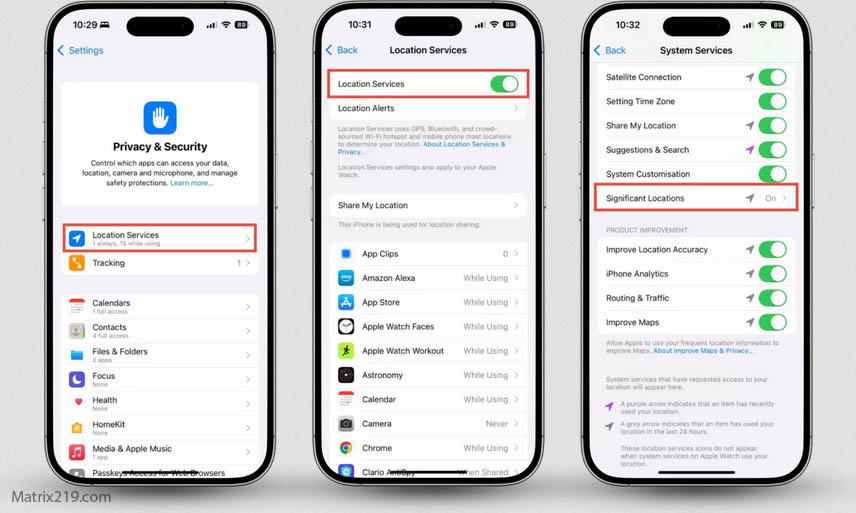
How to Stop Online Tracking
What Actually Helps Protect Online Privacy
No single tool provides complete protection. Meaningful reduction comes from layered strategies, including privacy-aware browsers, limited account usage, controlled app permissions, and realistic expectations.
Understanding how apps contribute to tracking is especially important, as covered in: How Apps Track You
Why Privacy Myths Persist
Privacy myths persist because simplified solutions are easier to market than complex realities. Clear explanations rarely compete with promises of total anonymity.
Breaking these myths helps users focus on practical, sustainable privacy habits rather than unrealistic goals.
FAQ
Is there any way to be completely anonymous online?
True anonymity is extremely difficult to achieve and often impractical for everyday use. Most online activity leaves technical or behavioral traces, even when privacy tools are used. The realistic goal is reducing exposure, not achieving total invisibility.
Are paid privacy tools always better than free ones?
Not necessarily. While paid tools are less likely to rely on advertising-based data collection, their effectiveness depends on how they operate, what data they access, and how transparently
they handle user information.
Does private browsing protect against online tracking?
Private browsing mainly prevents local history and cookies from being saved on your device. It does not stop websites, advertisers, or tracking networks from collecting behavioral or fingerprinting data.
Can privacy myths actually increase tracking risk?
Yes. Believing in incomplete protection often leads users to take more risks, share more data, or ignore real tracking vectors, resulting in greater exposure over time.
Do VPNs stop all forms of online tracking?
No. VPNs hide IP addresses and encrypt traffic, but they do not prevent browser fingerprinting, account-based tracking, or app-level data collection.
What is the most realistic approach to online privacy today?
A layered approach that combines privacy-aware tools, controlled permissions, limited account usage, and informed behavior offers the most practical protection against unnecessary tracking.