Privacy Fatigue describes a growing mindset where users feel overwhelmed, exhausted, or powerless about protecting their digital privacy. After years of pop-ups, settings, breaches, and warnings, many people stop engaging altogether and default to convenience.
This fatigue is not caused by apathy alone. It is the result of complex systems placing constant responsibility on users while offering limited real control. Understanding privacy fatigue helps explain why awareness does not always translate into action.
This article explores what privacy fatigue is, why it happens, and how users can regain control without burnout.
What Privacy Fatigue Means
Privacy fatigue occurs when users feel that protecting privacy requires too much effort for too little reward. Constant decisions, unclear options, and technical language contribute to disengagement.
Over time, users stop reading consent notices, skip settings, and accept defaults—even when they care about privacy in principle.
This dynamic exists within the broader tracking ecosystem explained in:
Digital Privacy and Online Tracking: How You’re Tracked Online and How to Protect Yourself
Why Online Privacy Feels Overwhelming
Modern privacy decisions are fragmented across browsers, apps, devices, and accounts. Each environment introduces new settings, permissions, and risks.
Because tracking is invisible and consequences are delayed, users rarely see immediate benefits from privacy efforts. This disconnect reduces motivation.
Understanding how tracking persists despite effort helps explain frustration, as outlined in:
How Websites Track You
The Role of Consent Overload
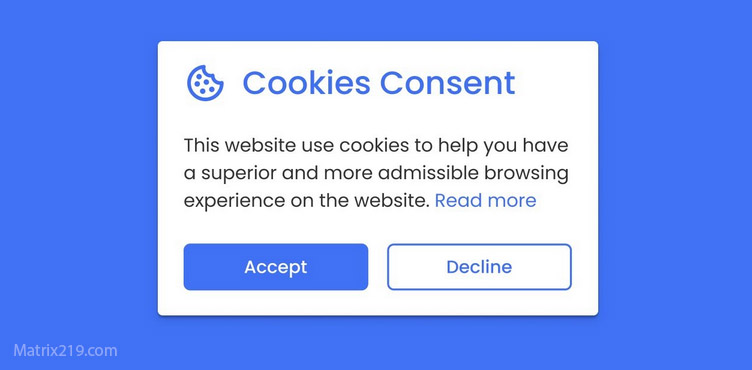
Consent banners, privacy policies, and repeated prompts create decision overload. When every site asks for consent, users experience diminishing attention and engagement.
Instead of empowering users, constant prompts often train them to click through without consideration.
This problem is closely related to issues discussed in:
Consent Pop-Ups and Privacy
Consent Pop-Ups and Privacy
Learned Helplessness and Privacy
When users try to protect privacy but see tracking continue, they may conclude that efforts are pointless. This leads to learned helplessness—a belief that outcomes cannot be influenced.
Account-based tracking, fingerprinting, and cross-device linking reinforce this perception.
These mechanisms are explained further in:
Account-Based Tracking
How Platforms Benefit From Privacy Fatigue
Platforms benefit when users disengage. Defaults remain unchanged, tracking continues, and friction disappears.
Complex interfaces and unclear explanations shift responsibility to users while preserving data collection incentives.
Understanding who benefits from this system helps clarify why it persists, as explained in:
Who Collects Your Data Online
Breaking the Privacy Fatigue Cycle
Reducing fatigue requires simplifying privacy decisions. Focusing on a few high-impact actions is more effective than chasing total control.
Examples include separating logged-in and casual browsing, limiting unnecessary apps, and choosing browsers with protective defaults.
Practical, low-effort strategies are outlined here:
How to Stop Online Tracking
Reframing Privacy as Risk Reduction
Privacy does not require perfection. Treating it as risk reduction rather than total protection makes efforts more sustainable.
Small, consistent improvements deliver long-term benefits without constant attention or stress.
FAQ
What causes privacy fatigue?
Overload, complexity, and lack of visible results.
Does privacy fatigue mean people don’t care?
No. It often means they feel powerless or exhausted.
Can privacy fatigue be reversed?
Yes, by simplifying actions and expectations.
Are defaults responsible for privacy fatigue?
Often yes. Defaults prioritize engagement over control.
Is focusing less on privacy a rational response?
It can feel rational, but targeted actions still matter.