Removing Your Data Online is a goal many users pursue after realizing how widely their personal information is shared. Requests to delete accounts, opt out of data brokers, or erase search results often raise the same question: can data really be removed once it is online?
The reality is complex. Some data can be removed or limited, while other information persists through backups, third parties, or legal obligations. Understanding what removal actually means helps set realistic expectations and avoid false promises.
This article explains how online data removal works, what is possible, and where the limits begin.
Quick Navigation
Why Online Data Is Hard to Remove
Once data is shared, it often spreads across multiple systems. Copies may exist in backups, analytics platforms, or third-party databases.
Even when original sources delete data, secondary collectors may retain it. This makes complete removal difficult, especially when data brokers are involved.
To understand how data spreads, review: Data Brokers Explained
Types of Data That Can Be Removed
Some data is easier to remove than others. Account information, public profiles, and user-generated content can often be deleted through account settings or formal requests.
Search engine indexing can also be affected through removal requests, though this does not delete the original content.
Understanding who controls the data is key, as explained in: Who Collects Your Data Online
Right to Deletion and Privacy Laws
Privacy laws such as GDPR provide rights to request data deletion under certain conditions. These rights apply to data controllers but may not extend to all third parties.
Requests often require identity verification and may take time to process. Legal rights improve transparency but do not guarantee full erasure.
For legal context, see: Privacy Laws Explained
Data Brokers and Opt-Out Processes
Some data brokers offer opt-out mechanisms. These processes are often manual and may need to be repeated periodically.
Opting out reduces data availability but does not prevent future collection. Reducing upstream data sharing remains essential.
Search Engines and Content Removal
Search engines may remove links to content under specific circumstances, such as outdated or harmful information. This affects visibility rather than the original data source.
Removal from search results does not delete content from the internet entirely.
Practical Steps to Reduce Data Footprint
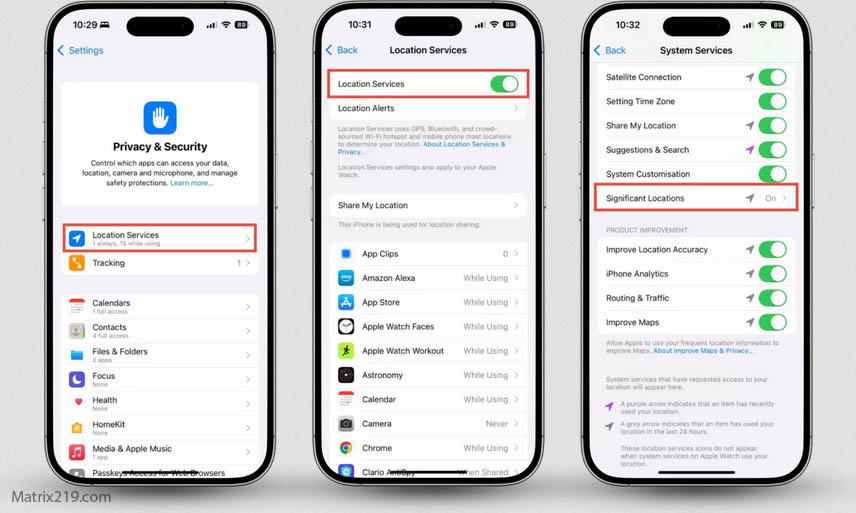
While full removal is rare, users can reduce their data footprint by closing unused accounts, limiting future data sharing, and adjusting privacy settings.
Reducing tracking at the source limits what can be collected and shared going forward.
For practical reduction strategies, see: How to Stop Online Tracking
How to Stop Online Tracking
Managing Expectations About Data Removal
Data removal should be viewed as risk reduction, not total erasure. Understanding what can be controlled helps users focus efforts where they matter most.
Consistent habits and awareness provide better long-term results than one-time cleanup efforts.
FAQ
Can personal data be completely removed from the internet?
Complete removal is rare, but visibility and accessibility can be reduced.
Do data deletion requests always work?
Results vary depending on the organization and legal jurisdiction.
Are paid data removal services effective?
Some help with opt-outs, but results depend on ongoing effort.
Does deleting accounts stop data collection?
It stops future collection by that service, but past data may persist elsewhere.
Is data removal a one-time process?
No. Ongoing monitoring and adjustments are often required.