Smart Devices and Privacy is a growing concern as homes fill with connected TVs, speakers, cameras, appliances, and sensors. These devices promise convenience and automation, but they also introduce continuous data collection into private living spaces.
Unlike phones or computers, smart devices often operate passively. They collect data in the background, communicate with remote servers, and update behavior without direct user interaction. This makes their privacy impact less visible but potentially more intrusive.
This article explains how smart devices collect data, why this data is valuable, and what users can realistically control inside connected homes.
Quick Navigation
What Counts as a Smart Device
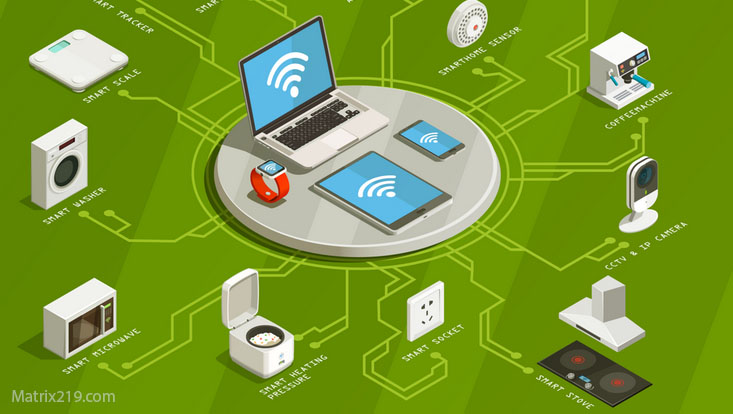
Smart devices include any internet-connected product that collects and transmits data. Common examples include smart TVs, voice assistants, security cameras, thermostats, wearables, and connected appliances.
These devices often rely on cloud services to function. As a result, data is frequently transmitted outside the home environment.
To understand how this fits into the broader tracking ecosystem, see: Digital Privacy and Online Tracking: How You’re Tracked Online and How to Protect Yourself
How Smart Devices Collect Data
Smart devices collect data through sensors, usage logs, and interaction history. Voice assistants process voice commands, smart TVs track viewing behavior, and cameras record activity.
Even when not actively used, many devices collect telemetry data related to performance, errors, and usage patterns.
Always-On Listening and Monitoring
Some smart devices rely on always-on microphones or sensors to detect activation cues. While manufacturers claim limited listening, metadata and activation events are still recorded.
This continuous readiness raises privacy concerns, especially when devices are placed in private spaces such as bedrooms or living rooms.
Data Sharing Between Devices and Platforms
Smart devices are often linked to user accounts. This allows data collected at home to be merged with data from phones, apps, and online services.
Cross-device integration increases convenience but also strengthens profiling accuracy.
Understanding account-based tracking helps clarify this risk, as explained in: Who Collects Your Data Online
Third-Party Integrations and IoT Tracking
Many smart devices integrate with third-party services. These integrations can introduce additional data collectors beyond the device manufacturer.
As a result, disabling one feature may not stop all data flows. Data may still be shared through connected platforms.
Security vs Privacy in Smart Homes
Security features such as cameras and motion sensors improve safety but increase data collection. Recorded footage and logs may be stored remotely for extended periods.
Balancing security benefits with privacy risks requires careful placement and configuration rather than default setups.
To understand the difference between these concepts, review: Privacy vs Security
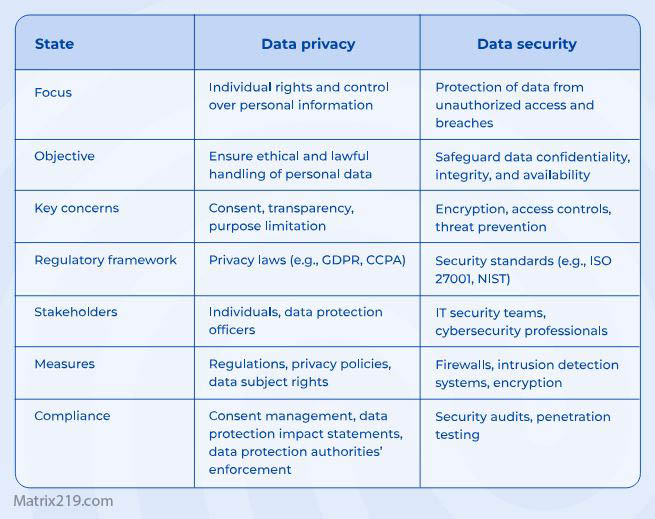
Privacy vs Security
Reducing Privacy Risks From Smart Devices
Reducing risk involves limiting unnecessary devices, reviewing permissions, and disabling features that are not actively used.
Placing devices thoughtfully and separating smart devices from primary accounts also reduces exposure.
For broader reduction strategies that apply across environments, see: How to Stop Online Tracking
FAQ
Do smart devices collect data even when idle?
Yes. Many collect telemetry and usage metadata continuously.
Can smart TVs track viewing habits?
Yes. Viewing behavior is commonly tracked and analyzed.
Are voice assistants always listening?
They listen for activation cues, but related metadata is still generated.
Can smart device data be deleted?
Some platforms allow deletion, but retention varies.
Are smart homes bad for privacy?
Not necessarily, but awareness and configuration are essential.