Social Media Privacy Explained is critical because social platforms are among the most aggressive data collectors on the internet. What users see as simple interactions—likes, shares, comments, and views—are transformed into detailed behavioral profiles.
Social media tracking goes far beyond what users actively post. Time spent on content, scrolling behavior, interaction speed, and even pauses are analyzed continuously. Understanding how these platforms track behavior is essential for anyone concerned about digital privacy.
This article explains how social media platforms collect data, why tracking is so extensive, and what users can realistically control.
Quick Navigation
Why Social Media Platforms Track Users
Social platforms depend on engagement-driven business models. Tracking behavior allows them to personalize feeds, optimize recommendations, and maximize time spent on the platform.
Data collection supports targeted advertising, content ranking, and algorithmic decision-making. The more data collected, the more precise these systems become.
To understand how this fits into the broader tracking ecosystem, see: Digital Privacy and Online Tracking: How You’re Tracked Online and How to Protect Yourself
Behavioral Tracking on Social Media
Social platforms analyze far more than explicit actions. Passive signals such as scrolling speed, dwell time, and interaction patterns are continuously recorded.
Even content you do not engage with contributes to profiling. These signals help platforms infer interests, preferences, and emotional responses.
Account-Based Identity and Cross-Platform Tracking
Social media accounts are persistent identifiers. When users stay logged in across devices, platforms can link activity over long periods.
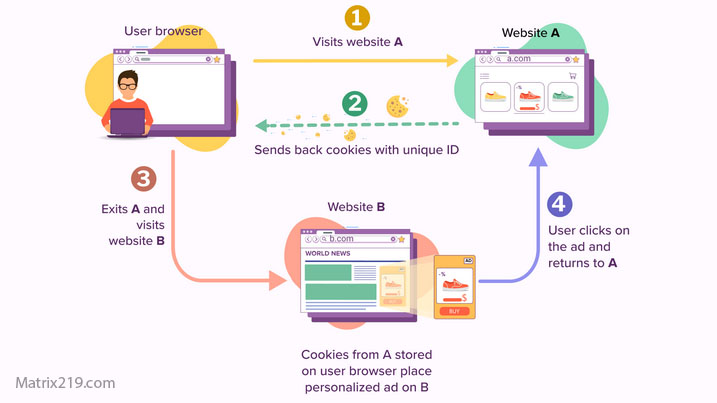
Many platforms also track users beyond their own apps through embedded buttons, pixels, and third-party integrations.
A technical explanation of these mechanisms is covered here: How Websites Track You
How Websites Track You
Data Collected From Social Media Activity
Collected data may include interests, location signals, device details, social connections, and inferred attributes. Over time, this information builds a detailed digital profile.
Because profiles are updated continuously, even old activity can influence current recommendations and ads.
To understand who benefits from this data, review: Who Collects Your Data Online
Social Media and Location Tracking
Location data plays a major role in social media tracking. Check-ins, tagged locations, IP addresses, and network data all contribute to location inference.
Even without explicit location sharing, platforms can estimate user movement and habits.
Location tracking methods are explained in detail here: Location Tracking Explained
What Privacy Settings Actually Do
Privacy settings limit visibility to other users but rarely stop platform-level data collection. Even when profiles are private, behavior tracking continues.
Understanding the difference between visibility and data collection prevents false assumptions about protection.
For practical reduction strategies, see: How to Stop Online Tracking
Reducing Social Media Tracking Exposure
Reducing exposure requires behavioral changes rather than relying on settings alone. Limiting time spent, avoiding unnecessary interactions, and logging out when possible help reduce profiling.
Using social media in browsers rather than apps can also reduce some background tracking.
FAQ
Do social media platforms track users when not posting?
Yes. Passive behavior is continuously tracked.
Does making an account private stop tracking?
No. It limits visibility to others, not platform data collection.
Can social media track users off-platform?
Yes. Embedded trackers allow cross-site data collection.
Are social media apps worse than websites?
Apps often collect more device-level data than browsers.
Is quitting social media the only solution?
No. Reduced usage and informed habits significantly lower exposure.