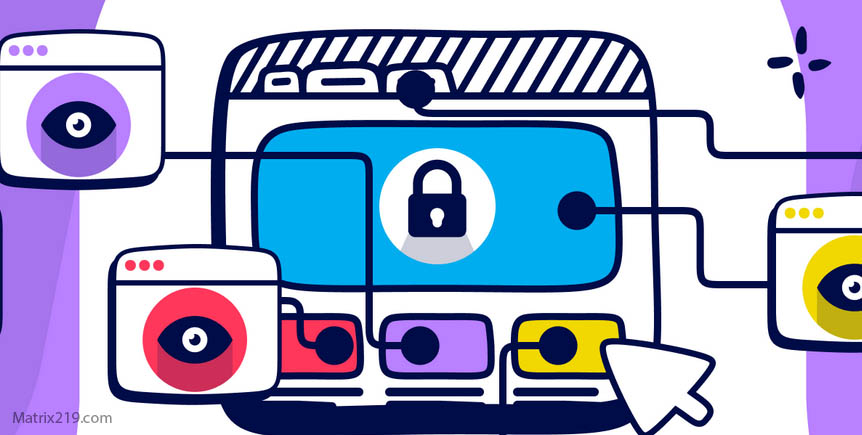
Third-Party Trackers Explained is essential because many users assume they are only interacting with the website they visit. In reality, dozens of unseen third parties may be observing behavior, collecting data, and building profiles during a single page load.
Third-party tracking is one of the least visible yet most widespread forms of online data collection. It operates quietly through scripts, pixels, and embedded services that users rarely notice or understand.
This article explains what third-party trackers are, how they work, and why they play such a central role in modern online tracking.
Quick Navigation
What Third-Party Trackers Are
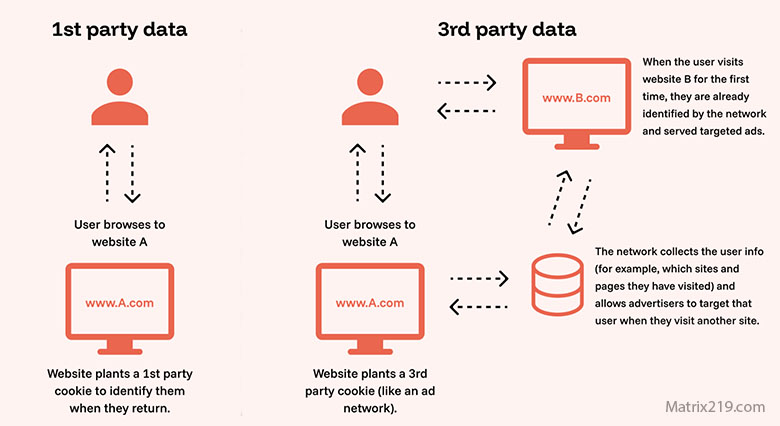
Third-party trackers are external services embedded into websites or apps that collect data independently of the site the user intentionally visits.
These trackers belong to advertisers, analytics providers, social platforms, and data services. They operate across many sites, allowing them to observe user behavior at scale.
To understand how this fits into the broader tracking system, see: Digital Privacy and Online Tracking: How You’re Tracked Online and How to Protect Yourself
How Third-Party Trackers Are Embedded
Websites include third-party trackers through scripts, pixels, and embedded content. Examples include analytics scripts, ad networks, social media buttons, and content delivery services.
When a page loads, these elements connect to external servers, transmitting data about the visit.
This process happens automatically and often without explicit user awareness.
What Data Third-Party Trackers Collect
Collected data may include visited pages, timestamps, device details, browser configuration, IP addresses, and interaction behavior.
Because third-party trackers appear across many websites, they can link activity into detailed cross-site profiles.
A technical overview of tracking mechanisms is explained here: How Websites Track You
Social Media Trackers Outside Social Platforms
Social media companies embed tracking elements across the web. Even users without accounts may be tracked through these embedded tools.
Buttons such as “Like” or “Share” transmit data back to social platforms regardless of interaction.
Understanding this cross-platform tracking is critical for realistic privacy expectations.
Social Media Trackers Outside Social Platforms
Why Third-Party Tracking Is So Persistent
Third-party trackers are difficult to avoid because they are deeply integrated into website functionality and monetization.
Blocking one tracker may not affect others. New domains and methods appear constantly to maintain coverage.
Understanding who operates these trackers helps clarify persistence, as explained in: Who Collects Your Data Online
Third-Party Trackers and Fingerprinting
When traditional identifiers are limited, third-party trackers may rely on fingerprinting to maintain recognition.
By analyzing browser and device characteristics, they can identify users even when cookies are blocked.
Fingerprinting techniques are explained in detail here: Browser Fingerprinting Explained
Reducing Exposure to Third-Party Trackers
Reducing exposure involves using browsers with built-in tracker blocking, limiting third-party scripts, and avoiding unnecessary embedded services.
Behavioral changes, such as staying logged out of social platforms during browsing, also reduce third-party data collection.
For practical steps that work across environments, see: How to Stop Online Tracking
FAQ
Do third-party trackers know who I am?
They often identify users through persistent identifiers or behavior patterns, even without names.
Can websites function without third-party trackers?
Yes, but many rely on them for analytics and revenue.
Are third-party trackers legal?
In many regions, yes, under disclosure and consent rules.
Do ad blockers stop all third-party tracking?
They reduce much of it but cannot stop all methods.
Are first-party trackers safer than third-party ones?
They are more transparent, but still collect data.