
Account-Based Tracking is one of the most powerful and underestimated tracking methods online. While users often focus on cookies or ads, logged-in accounts quietly connect activity across websites, apps, and devices with high accuracy.
When users stay logged into accounts, platforms can associate browsing behavior, app usage, and interactions directly with identity. This makes account-based tracking far more resilient than many technical tracking methods.
This article explains how account-based tracking works, why it is so effective, and what users can realistically do to limit its impact.
Quick Navigation
What Account-Based Tracking Means
Account-based tracking occurs when activity is linked directly to a user account rather than a device or browser identifier. Once logged in, actions are associated with a persistent identity.
This allows platforms to recognize users across sessions, devices, and locations without relying solely on cookies or identifiers.
To understand how this fits into the broader tracking ecosystem, see: Digital Privacy and Online Tracking: How You’re Tracked Online and How to Protect Yourself
How Accounts Enable Cross-Device Tracking
Accounts act as anchors. When users log into the same service on phones, laptops, tablets, or smart devices, activity from all devices merges into a single profile.
This allows tracking to persist even when users change devices, clear cookies, or reinstall apps.
Understanding cross-device mechanisms helps clarify why tracking feels unavoidable.
Single Sign-On and Platform Ecosystems
Single sign-on systems allow users to log into multiple services using one account. While convenient, this links activity across platforms and services.
Large ecosystems use single sign-on to expand visibility beyond a single website or app, strengthening long-term profiling.
To see who operates these ecosystems, review: Who Collects Your Data Online
Logged-In Browsing and Passive Tracking
Many users remain logged into accounts while casually browsing. This allows platforms to observe activity beyond intentional interactions.
Embedded elements, background requests, and analytics calls transmit data even when users are not actively engaging with the service.
A technical explanation of these mechanisms is covered here: How Websites Track You
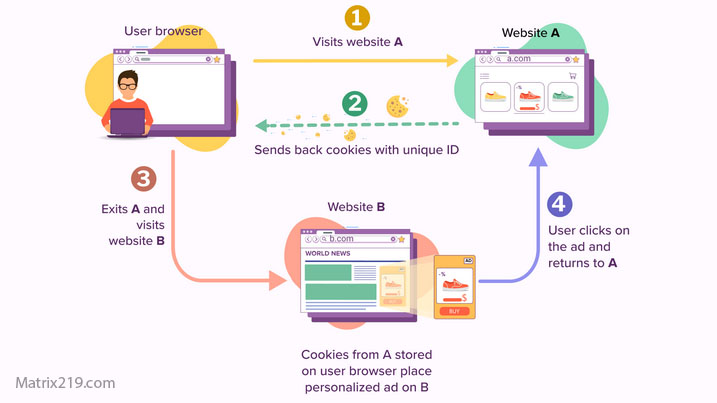
How Websites Track You
Why Account-Based Tracking Is Hard to Avoid
Logging out frequently reduces convenience. Many services are designed to encourage persistent sessions.
Because accounts are tied to functionality, avoiding account-based tracking often feels impractical rather than impossible.
This is why awareness and selective use matter more than total avoidance.
Reducing Account-Based Tracking Exposure
Users can reduce exposure by separating browsing contexts. Using one browser for logged-in services and another for casual browsing limits cross-site data collection.
Logging out when not needed and avoiding universal logins also reduces long-term profiling.
For broader reduction strategies, see: How to Stop Online Tracking
Account Tracking vs Other Tracking Methods
Account-based tracking is more durable than cookies or device identifiers. Even when technical identifiers change, account-linked data remains consistent.
This makes account behavior one of the most important privacy factors users can control.
FAQ
Is account-based tracking worse than cookies?
Yes. It is more persistent and directly tied to identity.
Does clearing cookies stop account tracking?
No. Logged-in activity remains linked to the account.
Can private browsing stop account-based tracking?
No, if you log into accounts during the session.
Should users avoid accounts completely?
No. Selective and informed use is more realistic.
Is account-based tracking legal?
In many regions, yes, under platform terms and privacy laws.