
Ad Tracking Explained is essential for understanding why ads seem to follow users across websites, apps, and devices. Online advertising is one of the main drivers behind large-scale data collection, and its tracking systems are deeply embedded into the modern internet.
Advertising tracking is not limited to showing relevant ads. It plays a central role in profiling behavior, predicting interests, and measuring influence. Understanding how ad tracking works helps users see why data collection is so persistent and difficult to avoid.
This article explains how ad tracking operates, which technologies are involved, and what users can realistically control.
Quick Navigation
Why Advertising Relies on Tracking
Online advertising depends on understanding user behavior. Advertisers want to know who sees ads, who interacts, and what actions follow.
Tracking enables targeted ads, frequency control, and performance measurement. Without tracking, modern advertising models would be far less profitable.
To understand how tracking fits into broader data systems, see: Digital Privacy and Online Tracking: How You’re Tracked Online and How to Protect Yourself
Cookies and Ad Identifiers
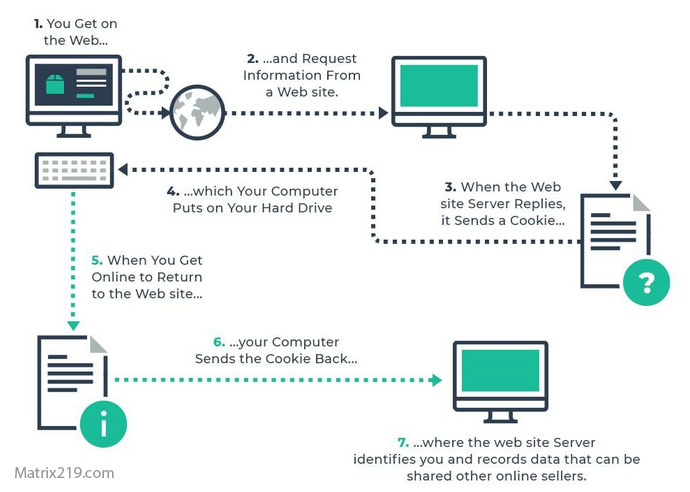
Advertising systems use cookies and mobile advertising identifiers to recognize users across sessions. These identifiers allow ad networks to track browsing history and app usage.
Even when cookies are restricted, alternative identifiers may still be used to maintain recognition.
A technical overview of these methods is explained here: How Websites Track You
Cross-Site and Cross-App Ad Tracking
Ad networks operate across thousands of websites and apps. This allows them to track users beyond a single platform.
Embedded scripts, SDKs, and pixels transmit behavioral data back to ad servers, enabling cross-site profiling.
Understanding who operates these networks helps clarify this ecosystem, as explained in: Who Collects Your Data Online
Real-Time Bidding and Data Sharing
Real-time bidding systems share user data with multiple advertisers in milliseconds to decide which ad to display.
This process exposes data to many parties simultaneously, increasing privacy risks even when ads are not clicked.
Ad Tracking on Mobile Devices
Mobile advertising relies heavily on device identifiers and app-level data. Background activity, location signals, and usage patterns contribute to ad profiles.
Resetting identifiers reduces long-term tracking but does not eliminate it.
Mobile tracking methods are explained in detail here: How Apps Track You
Why Ad Tracking Is Hard to Escape
Blocking one tracker does not stop others. Advertising systems are designed with redundancy to maintain recognition.
Account logins and fingerprinting further strengthen ad tracking accuracy, even when identifiers are limited.
Fingerprinting techniques are explained here: Browser Fingerprinting Explained
Browser Fingerprinting Explained
Reducing Ad Tracking Exposure
Reducing exposure requires combining tools with behavior changes. Ad blockers, privacy browsers, and limiting account usage all help.
However, complete avoidance is unrealistic. The goal is reduction, not elimination.
For practical reduction strategies, see: How to Stop Online Tracking
FAQ
Why do ads follow me across websites?
Because ad networks track activity across multiple sites using shared identifiers.
Does clicking ads increase tracking?
Yes. Clicks provide additional data that strengthens profiling.
Can ad tracking be fully blocked?
No. It can be reduced but not eliminated entirely.
Are ads tracked even when personalized ads are disabled?
Often yes, though targeting may be less specific.
Is ad tracking legal?
In many regions, yes, under disclosure and consent rules.