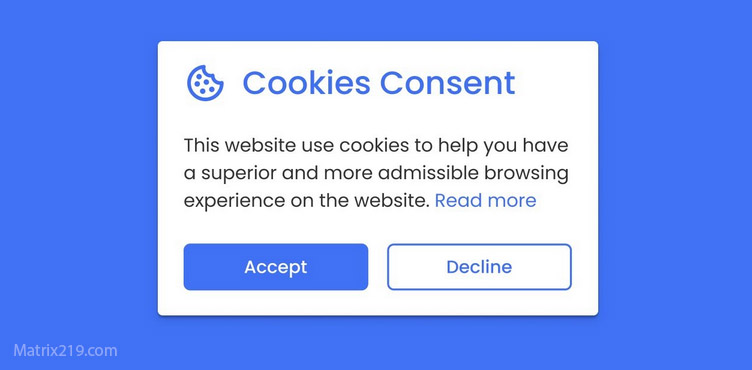
Consent Pop-Ups and Privacy have become a constant part of browsing, yet most users interact with them automatically. Clicking “Accept All” often feels like a minor action, but it can authorize extensive data collection, sharing, and long-term profiling.
These pop-ups are designed to meet legal requirements, not necessarily to protect users. Understanding what consent banners actually do—and what they do not do—is essential for realistic privacy expectations.
This article explains how consent pop-ups work, why they are misleading, and how users can respond more intentionally.
Why Consent Pop-Ups Exist
Consent pop-ups emerged primarily due to privacy regulations that require disclosure and lawful grounds for data processing. Their main purpose is to inform users and obtain permission, not to block tracking by default.
In practice, banners often prioritize compliance over clarity. Designs are optimized to encourage acceptance rather than understanding.
To understand the tracking systems behind consent requests, see: Digital Privacy and Online Tracking: How You’re Tracked Online and How to Protect Yourself
What “Accept All” Usually Means
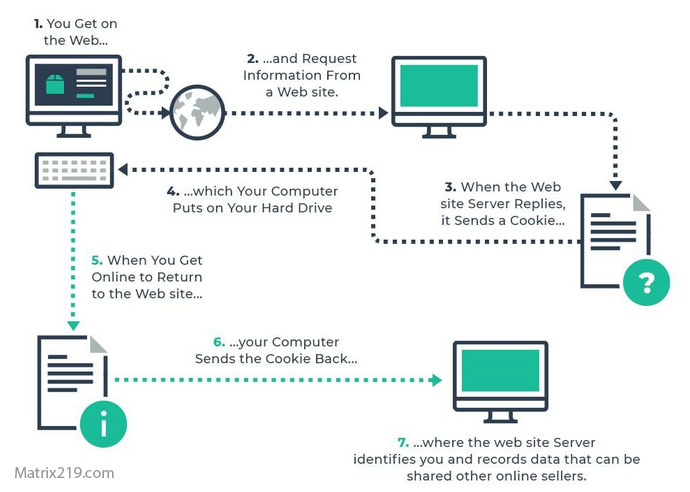
Clicking “Accept All” typically authorizes multiple forms of data collection. This may include cookies, analytics, advertising trackers, and third-party data sharing.
Consent often applies not only to the current site but also to dozens of external partners. These permissions may persist long after the session ends.
Understanding how third parties operate helps clarify this scope, as explained in: Third-Party Trackers Explained
“Reject All” vs Custom Settings
Rejecting non-essential cookies reduces some tracking, but it rarely stops all data collection. Essential cookies and certain forms of tracking may still operate under legal exemptions.
Custom settings offer more control but are often complex and time-consuming. Many users skip them due to poor design and unclear language.
How cookies fit into tracking layers is explained here: How Websites Track You
Consent Does Not Equal Privacy Protection
Consent banners control permission, not capability. Even when users reject tracking cookies, other identification methods such as fingerprinting or account-based tracking may continue.
This disconnect leads to false assumptions about protection. Legal consent does not guarantee technical privacy.
Fingerprinting techniques that bypass consent are explained in: Browser Fingerprinting Explained
Browser Fingerprinting Explained
Dark Patterns in Consent Interfaces
Many consent pop-ups use design patterns that nudge users toward acceptance. Bright buttons, confusing wording, and hidden options reduce meaningful choice.
These designs satisfy legal requirements while maximizing data collection.
Understanding who benefits from this data helps clarify incentives, as explained in: Who Collects Your Data Online
How to Handle Consent Pop-Ups More Safely
Users can reduce exposure by rejecting non-essential cookies when possible and avoiding “Accept All” by default.
Using browsers with built-in tracker blocking reduces reliance on consent banners altogether.
For broader reduction strategies that do not depend on pop-ups, see: How to Stop Online Tracking
Why Consent Alone Is Not Enough
Consent is reactive. It shifts responsibility to users while leaving tracking infrastructure intact.
Effective privacy protection combines legal rights, technical tools, and informed behavior rather than relying on consent banners alone.
FAQ
Do consent pop-ups stop tracking?
No. They manage permission, not tracking capabilities.
Is rejecting cookies always effective?
It reduces some tracking but does not stop all methods.
Why are consent banners so confusing?
Many are intentionally designed to encourage acceptance.
Are consent pop-ups legally required?
Often yes, depending on region and data practices.
Should users always reject tracking cookies?
When possible, rejecting non-essential tracking reduces exposure.