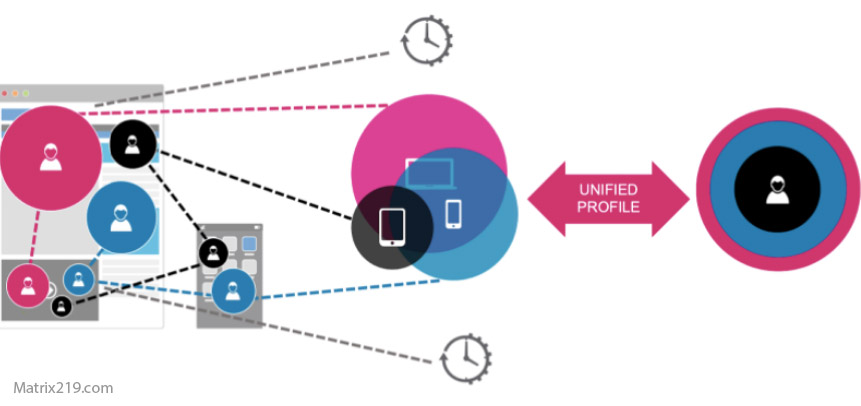
Cross-Device Tracking Explained addresses a common and often confusing experience: seeing the same ads, recommendations, or content follow you across different devices. Many users assume tracking is tied to a single browser or device, but modern tracking systems focus on identifying the person, not the hardware.
Today’s tracking technologies are designed to connect activity across phones, laptops, tablets, and even smart devices into one unified profile. This linking happens through a combination of direct identifiers and behavioral inference, often without explicit user awareness.
This article explains how cross-device tracking works, why it is so effective, and what users can realistically do to reduce its impact.
What Cross-Device Tracking Means
Cross-device tracking is the practice of linking activity from multiple devices to a single user profile. The goal is continuity: understanding behavior regardless of which device is being used.
When content, ads, or recommendations appear consistent across devices, it is usually the result of cross-device identification rather than coincidence.
This mechanism is part of the broader tracking ecosystem explained in: Digital Privacy and Online Tracking: How You’re Tracked Online and How to Protect Yourself
Account-Based Cross-Device Tracking
The most reliable form of cross-device tracking is account-based. When users log into the same account on multiple devices, platforms can immediately associate all activity with one identity.
This linkage persists even if cookies are cleared or devices are switched. Accounts act as permanent anchors that unify behavior across environments.
The strength of this method is explained in detail here: Account-Based Tracking
Probabilistic Cross-Device Tracking
Not all cross-device tracking relies on direct login. Probabilistic tracking uses behavioral signals to infer that multiple devices belong to the same person.
These signals may include usage timing, content preferences, location patterns, and interaction behavior. When combined, they allow platforms to estimate device relationships with high confidence.
Many of these techniques rely on identification methods discussed in: Browser Fingerprinting Explained
Network and IP-Based Device Linking
Devices that regularly connect to the same networks can be associated over time. Shared IP addresses, home Wi-Fi networks, and repeated network patterns contribute to device correlation.
While IP-based linking alone is not precise, it becomes powerful when combined with behavioral and account-based data.
To understand how network signals contribute to tracking, see: How Websites Track You
Cross-Device Tracking on Mobile Platforms
Mobile ecosystems are especially effective at cross-device tracking. Phones often act as central identifiers, linking tablets, laptops, wearables, and smart home devices.
App usage, system-level identifiers, and account synchronization strengthen cross-device visibility.
Mobile tracking mechanisms are explained further here: How Apps Track You
Why Cross-Device Tracking Is Hard to Avoid
Avoiding cross-device tracking often means reducing convenience. Logging out of accounts, separating browsing contexts, and limiting synchronization can disrupt normal workflows.
Because many services are designed around persistent identity, full avoidance is unrealistic for most users.
Understanding who benefits from cross-device data helps clarify persistence, as explained in: Who Collects Your Data Online
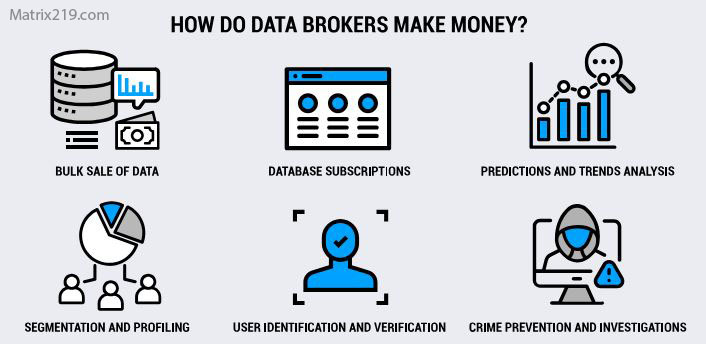
Data Brokers and Aggregators
How to Reduce Cross-Device Tracking
Reduction focuses on separation rather than elimination. Using different browsers or profiles for logged-in services and casual browsing helps limit correlation.
Avoiding universal logins and minimizing unnecessary device synchronization also reduces long-term linkage.
Practical strategies that work across tracking layers are covered here: How to Stop Online Tracking
FAQ
Does using multiple devices increase tracking?
Yes. Multiple devices provide more data points that strengthen profiling.
Does private browsing stop cross-device tracking?
No, not if you log into accounts during the session.
Is cross-device tracking always accurate?
Account-based tracking is highly accurate. Probabilistic methods are less precise but effective at scale.
Can VPNs prevent cross-device tracking?
They may reduce network signals but do not stop account-based or behavioral linking.
Is cross-device tracking legal?
In many regions, yes, under disclosure and consent requirements.